
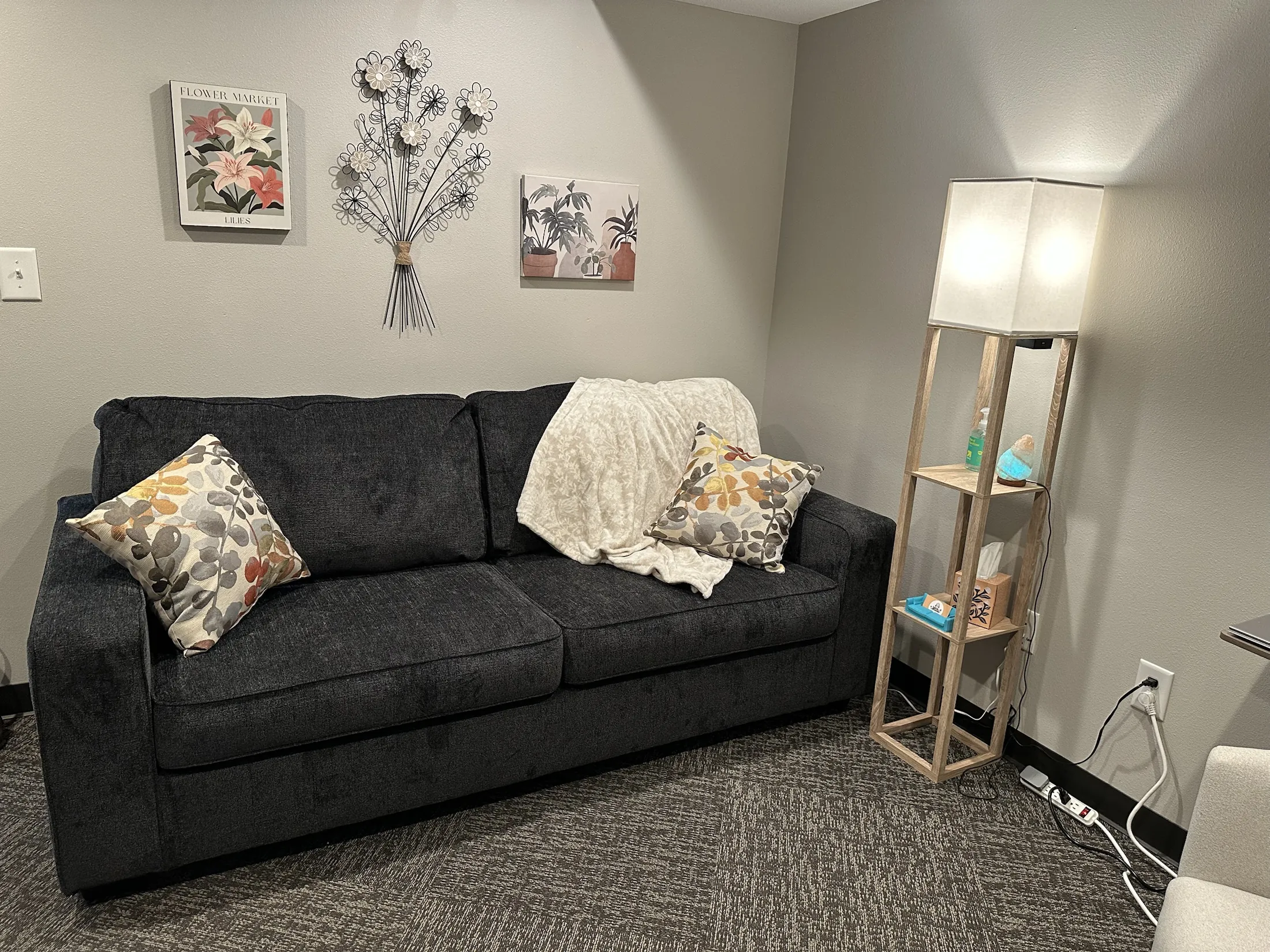
Typing mental health counseling near me into a search bar often happens in a hard moment – after another sleepless night, in the middle of burnout, or when stress has started affecting work, parenting, or relationships. When you feel stretched thin, the last thing you need is a confusing process. Finding the right counselor should feel clear, practical, and supportive.
The good news is that a strong fit matters more than finding a perfect profile. Many people start by looking for someone close to home, but location is only one piece of the decision. The counselor’s approach, experience, communication style, and availability all shape whether therapy feels helpful over time.
What to look for in mental health counseling near me
A nearby provider can make counseling easier to keep up with. Shorter drive times, flexible scheduling, and familiarity with your local community can all reduce friction. That matters, especially when energy is low or your schedule is already full.
Still, convenience should not be the only factor. The best counseling relationship is one where you feel safe enough to be honest and supported enough to do meaningful work. A counselor may be close by, but if their style feels rushed, overly generic, or out of step with your needs, it may not be the right match.
When reviewing options, pay attention to how the practice describes its work. Some providers lean heavily clinical. Others focus on practical coping, emotional wellness, and day-to-day functioning. Neither is automatically better. It depends on what kind of support you need right now.
If you are dealing with anxiety, persistent stress, low mood, relationship strain, grief, or a life transition, it helps to find a counselor who treats those concerns regularly. If your goal is not just symptom relief but feeling more stable and capable in daily life, a wellness-oriented approach may feel especially useful.
Start with your real reason for seeking help
Before you compare profiles, pause and get specific with yourself. You do not need a formal diagnosis to begin counseling . You only need a reason that feels real to you.
Maybe you are constantly on edge and cannot relax. Maybe you feel emotionally flat, more irritable than usual, or disconnected from people you care about. Maybe your coping habits are no longer working. Therapy can support acute struggles, but it can also help when life simply feels harder than it should.
Knowing your starting point helps you choose the right kind of support . Someone looking for help with panic attacks may want a counselor who uses structured anxiety tools. Someone recovering from burnout may need space to rebuild routines, boundaries, and nervous system regulation. Someone navigating a divorce or family conflict may want counseling that balances emotional processing with practical communication skills.
You do not have to explain your situation perfectly. But having a rough sense of what hurts, what feels stuck, and what you want to improve will make your search more useful.
How to tell if a counselor is a good fit
Fit is not a vague extra. It is one of the strongest predictors of whether counseling helps.
A good counselor does not need to share your personality, but they should make you feel respected, understood, and comfortable enough to talk honestly. In early conversations, notice whether they listen carefully, explain things clearly, and respond in a way that feels grounded rather than scripted.
It also helps to look at how they frame progress. Effective counseling is not about giving quick advice or fixing you. It is about helping you understand patterns, build skills, and create steadier ways of responding to stress, emotions, and relationships. That work should feel practical, even when it is deep.
For many adults, the best therapy experience includes both support and structure. You want room to talk through what is happening, but you may also want tools you can use between sessions. Breathing room matters. So do next steps.
Questions worth asking before you book
You are allowed to ask practical questions. In fact, doing so can make the first appointment feel less stressful.
Ask what concerns the counselor commonly works with, what their general approach is, whether they offer in-person or virtual sessions, and what availability looks like. If cost matters, ask about rates, insurance, and session frequency. If you are hoping for a calm, action-oriented process, ask how they help clients apply what they are learning in everyday life.
You can also ask what the first few sessions usually look like. Some people worry they will be pushed to reveal everything immediately. A thoughtful counselor will usually focus first on understanding your concerns, history, goals, and current stressors. Trust often builds over time.
If a practice serves adults in Iowa, for example, local knowledge may also be helpful. Community context, pace of life, family systems, and access to support can all shape the counseling process in subtle but meaningful ways.
In-person or virtual therapy?
This is one of the most common practical decisions. The answer depends on your schedule, comfort level, and the kind of environment that helps you open up.
In-person counseling can feel more contained and focused. For some people, physically going to a quiet office creates a helpful mental shift. It may be easier to speak freely away from home, work, or family distractions.
Virtual counseling offers convenience and privacy in a different way. It can be easier to fit into a workday, especially for parents and professionals with limited time. It may also reduce the barrier of commuting when you are already depleted.
There are trade-offs. Virtual therapy is not ideal if you lack a private space or reliable internet. In-person therapy is not always realistic if travel time adds stress. The best choice is the one you can attend consistently and engage in fully.
Signs you may have found the right support
Early counseling does not always feel easy, but it should feel purposeful. You may leave sessions emotional, thoughtful, or tired at times. That alone does not mean something is wrong. What matters more is whether the work feels steady and relevant.
Good signs include feeling a little more honest than usual, noticing language for things you could not name before, and beginning to understand your patterns without harsh self-judgment. Over time, support should translate into daily life. You may start setting clearer boundaries, recovering faster from stress, sleeping better, or feeling less alone inside your own mind.
Progress is rarely linear. Some weeks feel lighter. Others bring up more. Counseling works best when both client and counselor can tolerate that reality without losing sight of the larger goal.
When to keep looking
Not every first match will be the right one. That is normal, and it does not mean therapy is not for you.
If you consistently feel dismissed, confused, judged, or emotionally unsafe, pay attention to that. If sessions stay surface-level when you are seeking deeper work, or if the approach feels too passive when you want practical guidance, it may be worth exploring another provider.
Changing counselors can feel awkward, especially if reaching out was hard in the first place. But staying in a poor fit often keeps people from getting the support they actually need. A helpful counseling relationship should create movement, even when the work is slow.
Choosing care that supports the whole person
Mental health does not exist in a separate compartment. Stress affects sleep. Relationship strain affects focus. Burnout changes mood, patience, and physical energy. That is why many people benefit from counseling that looks beyond a single symptom and pays attention to the whole person.
A wellness-centered counseling approach can be especially helpful if you want support that is compassionate but not vague. It leaves room for emotional depth while also focusing on how you function each day – how you cope, connect, rest, and move forward. Practices such as Wellness Works Counseling reflect that kind of grounded support, where emotional care and practical wellness can work together.
If you are searching for help, you do not need to have every answer before you start. You only need enough willingness to take the next clear step. The right counseling support can make life feel more manageable, more steady, and more like your own again.