Some people live with anxiety so long that it starts to feel like part of their personality. They call themselves overthinkers, worriers, or people who just stress easily. But when anxious thoughts, physical tension, avoidance, or panic begin shaping daily life, it helps to ask a more practical question: what is mental health counseling for anxiety, and how can it actually help?
Mental health counseling for anxiety is professional support that helps you understand your anxiety, respond to it in healthier ways, and build skills that make everyday life feel more manageable. It is not just talking about stress. It is a structured, personal process with a trained counselor who helps you identify patterns, reduce distress, and work toward steadier emotional health.
What is mental health counseling for anxiety really designed to do?
At its core, anxiety counseling helps people feel safer and more grounded in their own minds and bodies. Anxiety often creates a cycle. A thought triggers fear, the body reacts, and then the reaction makes the fear feel even more convincing. Counseling works by interrupting that cycle.
For some people, that means learning how to challenge constant worst-case thinking. For others, it means understanding why their body stays in high alert, even when there is no immediate danger. Sometimes the work is about panic attacks, social anxiety, work stress, relationship strain, or a major life transition that has pushed the nervous system past its limit.
The goal is not always to eliminate anxiety completely. A certain amount of anxiety is part of being human. The goal is to reduce the intensity, frequency, and control anxiety has over your life so you can function with more clarity and confidence.
What happens in counseling for anxiety?
The first few sessions usually focus on understanding what anxiety looks like for you. A counselor may ask when your symptoms started, what triggers them, how they affect sleep or concentration, and what you currently do to cope. This is not about being judged. It is about getting a clear picture of what is happening and what kind of support will be most useful.
From there, counseling often becomes a mix of insight and skill-building. You may talk through recurring thoughts, stressful situations, or past experiences that have shaped your current responses. You may also practice concrete tools such as breathing techniques, grounding exercises, thought reframing, boundary-setting, or strategies for gradually facing situations you have been avoiding.
Good counseling is not one-size-fits-all. Some clients want practical coping tools right away because they need relief in daily life. Others also need space to explore deeper patterns, such as perfectionism, childhood stress, people-pleasing, or unresolved grief that fuels chronic anxiety. Often, both are important.
Common signs anxiety may benefit from counseling
People do not need to wait until they are in crisis to seek support. Counseling can help when anxiety is affecting work, parenting, sleep, relationships, or overall well-being. It may also help if you feel constantly on edge, exhausted by overthinking, stuck in avoidance, or frustrated that self-help strategies are no longer enough.
Sometimes anxiety looks obvious, like panic or intense fear. Sometimes it looks quieter, like irritability, procrastination, headaches, stomach issues, trouble making decisions, or never fully relaxing. Many adults carry high-functioning anxiety for years before realizing how much energy it takes to keep pushing through it.
Types of therapy used for anxiety
There is no single therapy style that works for every person, but several approaches are commonly used in anxiety counseling. Cognitive behavioral therapy, often called CBT, helps identify unhelpful thought patterns and replace them with more balanced responses. This can be especially effective when anxiety is fueled by catastrophic thinking, self-criticism, or mental habits that keep fear active.
Other counselors may use mindfulness-based approaches to help clients notice anxious thoughts without immediately getting pulled into them. This can reduce reactivity and improve emotional regulation. Some use somatic or body-based techniques, especially when anxiety shows up strongly through physical symptoms like racing heart, shallow breathing, or muscle tension.
In some cases, counseling may include exposure-based work. This means gradually and safely facing feared situations instead of avoiding them. It can be very effective, but the pace matters. Good therapy does not push people too hard or too fast. It builds safety and confidence as skills develop.
What if anxiety is connected to something deeper?
Anxiety is sometimes the main issue, but not always the whole story. It can exist alongside depression, trauma, burnout, grief, chronic stress, or relationship problems. That matters because treatment should address the full picture, not just the most visible symptom.
For example, someone may think they have a time-management problem when the deeper issue is anxiety driven by fear of failure. Another person may struggle with social anxiety that is linked to painful past experiences or low self-worth. Counseling can help uncover those layers in a way that feels manageable rather than overwhelming.
What mental health counseling for anxiety is not
Many people hesitate to start therapy because they have the wrong idea about what it involves. Counseling is not about being told to just relax or think positive. It is not a lecture, and it is not a place where you have to have the right words for everything you feel.
It is also not a quick fix. Some clients feel relief early because they finally have language for what they are experiencing and tools that help. Others need more time, especially if anxiety has been present for years or is tied to deeper emotional patterns. Progress can be steady without being dramatic.
Counseling is also not about becoming dependent on a therapist. A healthy counseling relationship should help you build insight, resilience, and practical coping skills so you feel more capable in your everyday life.
How to know if a counselor is a good fit
Feeling comfortable with a counselor matters. You do not need instant trust, but you should feel respected, heard, and emotionally safe. A strong counselor can help you move forward while still meeting you with patience and clarity.
It is reasonable to ask about their experience with anxiety, their counseling approach, and what sessions typically look like. Some people want a direct, skills-focused style. Others want a warmer, exploratory process with room to connect patterns across their lives. Neither preference is wrong. Fit can affect outcomes more than people realize.
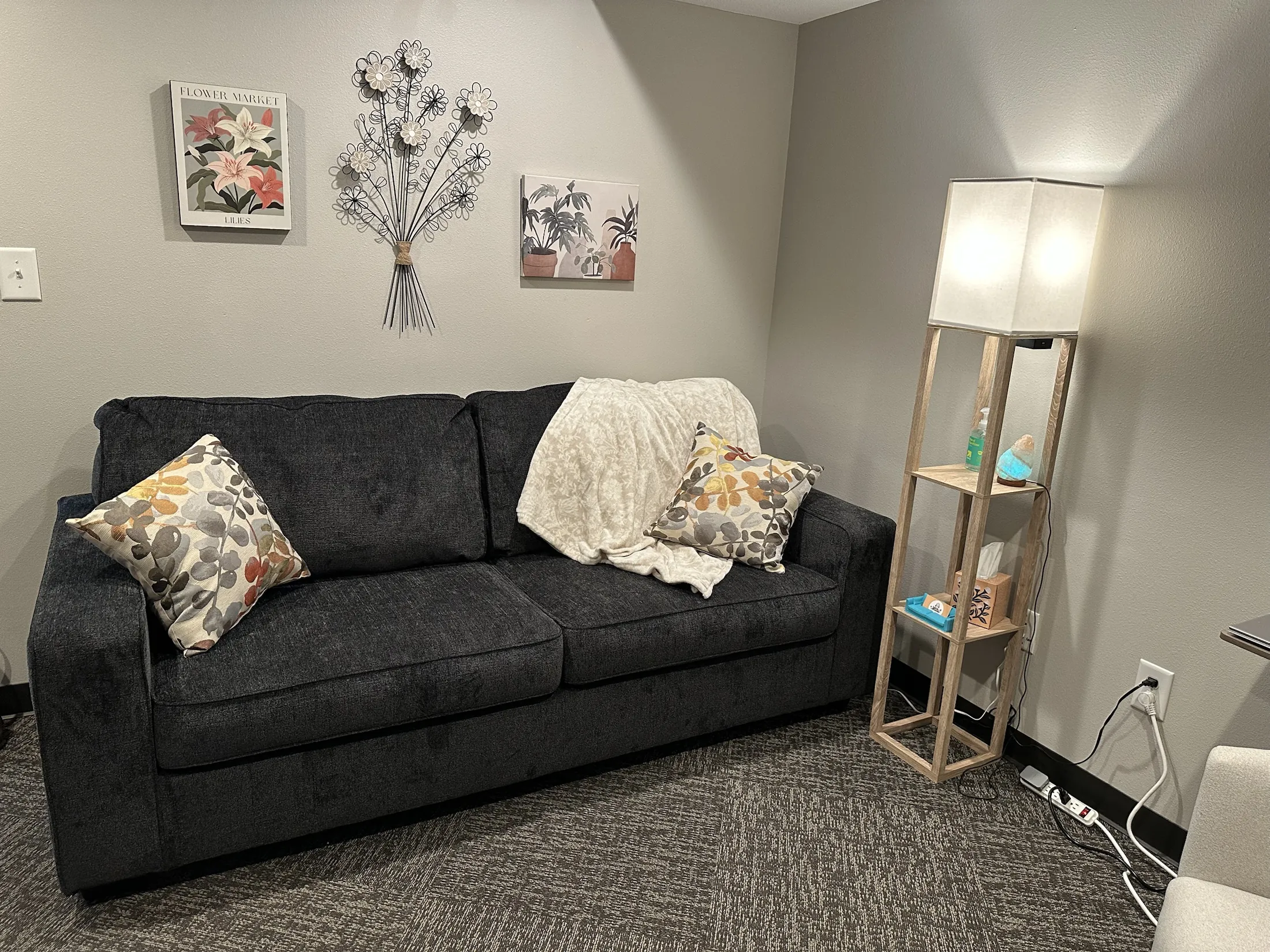
If you are seeking counseling in a private practice setting , you may also value a calmer, more personal experience than larger systems often provide. For many adults, that sense of privacy and individualized care makes it easier to open up and stay engaged in the work.
When counseling may be combined with other support
Therapy is often very effective on its own, but sometimes additional support is helpful. If anxiety is severe, persistent, or interfering with basic functioning, a counselor may encourage coordination with a primary care provider or psychiatrist. Medication can be part of treatment for some people, though not everyone needs it.
Lifestyle factors matter too. Sleep, caffeine use, work stress, trauma exposure, relationship dynamics, and physical health can all affect anxiety levels. Counseling does not replace medical care, and it does not solve every external stressor. What it can do is help you respond more effectively to what is within your control while making thoughtful decisions about the rest.
What progress can look like
Progress in anxiety counseling is not always dramatic from the outside. Sometimes it looks like sleeping through the night more often. Sometimes it means making a phone call you have avoided for weeks, speaking up in a meeting, driving again after panic, or noticing an anxious thought without immediately believing it.
It may also show up as more self-trust. You begin to understand your triggers, recognize early signs of overwhelm, and use tools before anxiety takes over. Over time, many people feel less ruled by fear and more able to handle uncertainty, which is one of the hardest parts of anxiety in the first place.
At Wellness Works Counseling, that kind of change is viewed as wellness work in the most practical sense. Feeling better matters, but so does functioning better in your real life.
If you have been wondering whether your anxiety is serious enough for counseling, that question alone may be worth paying attention to. You do not have to wait until everything feels unmanageable. Support can be useful when anxiety is still quiet enough to hide but loud enough to wear you down. A good counseling process helps you meet that experience with skill, steadiness, and a little more room to breathe.