
The same conflict keeps returning.
Arguments about rules, responsibilities, behavior, school, money, or communication can become familiar without becoming any easier to resolve.
Family Counseling
A supportive place for families to understand what is happening between them, communicate more clearly, and take practical steps forward together.
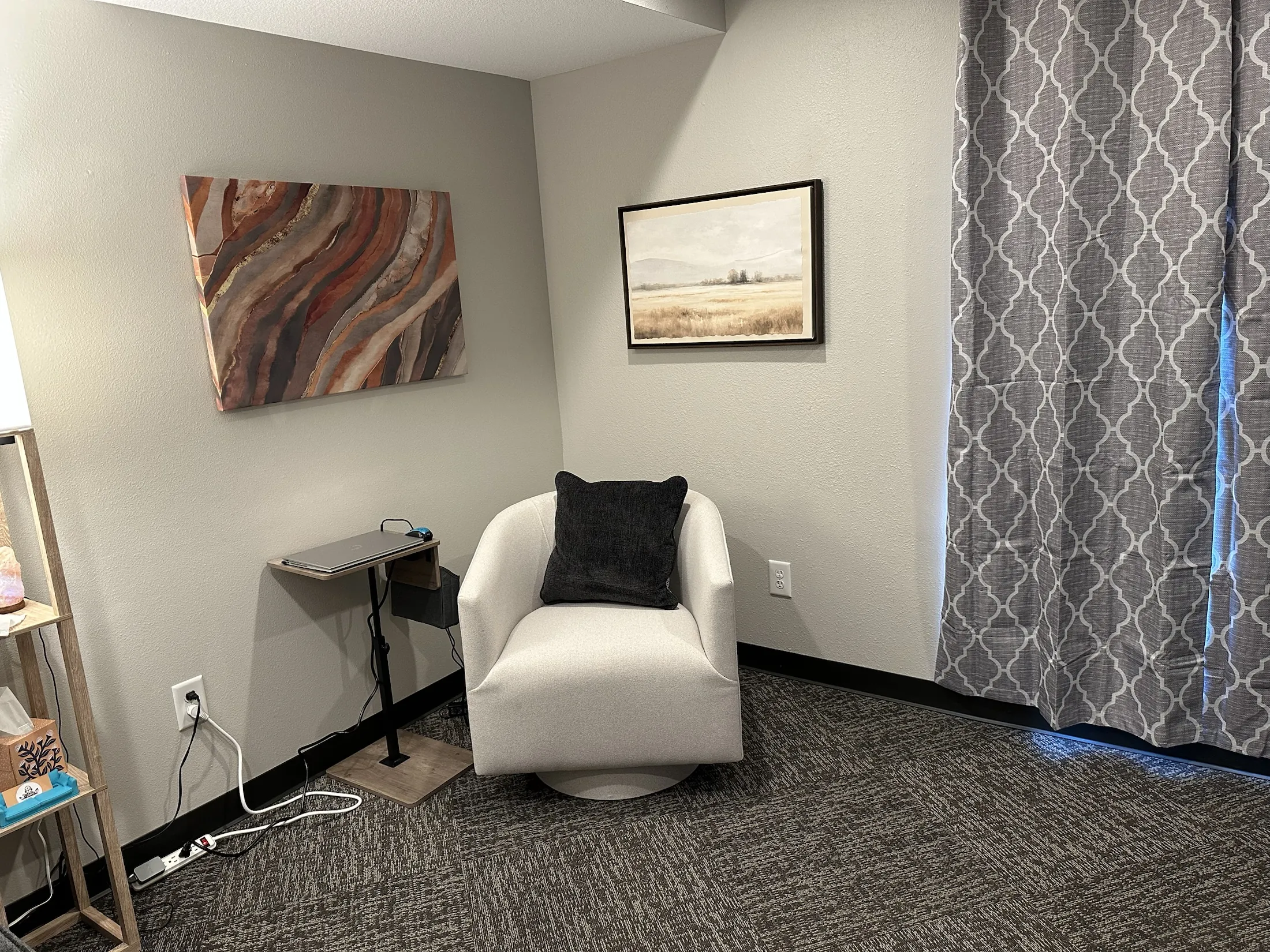
When Support Can Help
Families often reach out after a pattern has been taking a toll for a while. Conversations may end in conflict, everyone may be avoiding a hard subject, a child or teen may be struggling, or a change in the family may have left people unsure how to support one another.
Arguments about rules, responsibilities, behavior, school, money, or communication can become familiar without becoming any easier to resolve.
A child, teen, parent, or caregiver may be under pressure, withdrawing, acting out, or trying to hold things together alone.
Grief, separation, blended-family changes, health concerns, a move, stress, or a difficult experience can affect the whole family in different ways.
How Counseling Can Help
Family therapy gives people a structured place to slow down and talk about what has been difficult. The goal is not to decide who is right or make one person the problem. It is to understand the patterns that are putting pressure on the family and create more useful ways to respond.
Dar works with children, teens, adults, couples, and families. That broad experience matters in family sessions because a problem that appears to belong to one person can affect siblings, parents, partners, routines, communication, and the emotional climate at home.
The first conversation can begin with what has changed, what keeps happening, and what each person hopes could feel different. Some families come in with a clear concern. Others simply know that home has become more stressful or disconnected. Both are valid places to start.
Sessions may focus on communication, recurring conflict, family roles, parenting pressure, boundaries, school stress, behavior changes, grief, anxiety, depression, trauma, life transitions, or the practical demands that have made connection harder. The work stays connected to what your family is actually living with.
For families with children or teens, support can be adapted to a young person’s age and needs. Dar may use conversation, play-based or creative strategies, coping practice, and caregiver involvement when those approaches help a child feel understood and able to participate.
Family therapy can also help adults respond more consistently when a child or teen is anxious, overwhelmed, or having a hard time with school, friendships, routines, or emotions. Consistency does not mean every adult has to parent in exactly the same way. It means the important people around a child can better understand what helps and how to support the next step.
When communication has become reactive, sessions can create room to practice slowing the conversation down. That may include noticing what happens just before conflict rises, making requests more clearly, listening for the need underneath a strong reaction, and finding ways to repair after a difficult moment.
Some families need a place to talk through a change that no one chose. A loss, health concern, move, separation, new school, changing work schedule, or difficult experience can leave each person carrying a different version of the same event. Counseling can help make those differences easier to name and navigate.
Family sessions are not meant to force anyone to share more than they are ready to discuss. Dar works to set a respectful pace, keep the conversation focused, and make space for each person’s perspective. Questions about privacy, participation, and individual concerns can be discussed directly as the work begins.
The work can shift as a family’s needs shift. One season may call for help with a child’s routines or school stress. Another may center on a relationship change, a conflict between adults, or a teenager who needs more room to be heard. Counseling can stay practical while making space for the larger picture.
No family needs to arrive with the perfect explanation or a shared view of every problem. It is common for people to see the situation differently. The first appointment can be a chance to ask questions about fit, privacy, who should participate, and what kind of support may make sense.
Progress may look like fewer explosive moments, clearer expectations, a child who can talk more openly, parents who feel less alone with a decision, or a family that can recover more quickly after conflict. The aim is a steadier family life that feels more workable for the people in it.
A Clear Starting Point
You can share what has changed, where communication is getting stuck, or what your family is hoping will feel different. Dar can help you talk through whether family therapy is a good fit and who may be helpful to include.
702 SW 4th Street, Suite 103
Ankeny, IA 50023
Ask about availability, who should attend, and what family counseling could look like for your situation.
Questions
Family therapy begins by understanding what has been difficult, how the pattern is affecting each person, and what the family hopes to change. Sessions can focus on communication, conflict, parenting pressure, routines, boundaries, emotions, major changes, and practical next steps that fit your family.
The people involved depend on the concern, the family’s goals, and what will be most helpful. You can ask about who may be appropriate to include when you reach out. The first conversation can help clarify a starting point.
Yes. Family sessions can help caregivers and young people understand the stress affecting home, school, routines, behavior, communication, and support. Dar also offers child and teen counseling, with care adapted to each young person’s age and needs.
No. It is common for family members to see a situation differently. Counseling can begin with what each person has been noticing, what feels hardest, and what everyone hopes could improve. You do not need complete agreement before asking about support.
Yes. Grief, separation, a move, health concerns, changing roles, a difficult experience, and other major transitions can affect every person in a family. Counseling can create a place to talk through those changes and find more supportive ways to move forward together.
Counseling appointments are not emergency care. Call or text 988 for immediate mental health crisis support. If there is immediate danger, call 911 or go to the nearest emergency room.
Request Support
Share a little about what has been hard for your family and how the practice can reach you. For urgent mental health needs, call or text 988 instead of waiting for a reply.
Start Here
Request an appointment online, call the practice, or send a message. For a mental health crisis, call or text 988.
Request Appointment
Phone(515) 446-8490
Emailwellnessworks47@gmail.com
702 SW 4th Street, Suite 103
Ankeny, IA 50023