

When you are burned out, advice to “take a break” can feel almost insulting. You may have deadlines, bills, children, caregiving, a team that depends on you, or a job you cannot simply pause. You may be getting through each day while feeling increasingly flat, impatient, exhausted, or unlike yourself. The question is not always whether you need rest. It is how to start recovering when life is still asking a lot of you.
Recovery from burnout while you are still working is rarely one dramatic reset. More often, it is a series of small decisions that lower the strain, protect your energy, and help you notice when the situation needs more support than you can create alone. You do not need to earn rest by completely falling apart. The goal is to make life more sustainable before depletion becomes the only thing you can feel.
Start by naming what burnout is costing you
Burnout is more than being busy or having a rough week. It can show up as dread before work, trouble concentrating, cynicism, a short fuse, persistent fatigue, headaches or stomach tension, pulling away from people, or the sense that even simple decisions take too much effort. The World Health Organization describes burnout as a work-related syndrome involving exhaustion, growing mental distance from work, and reduced professional effectiveness. That definition will not fit every person perfectly, but it can help distinguish a passing hard day from a pattern that needs attention.
Try a simple, nonjudgmental inventory for one week. Notice what part of the day drains you most, what you stop doing when you are depleted, and what symptoms follow you home. Maybe meetings leave you tense for hours. Maybe you can work but have nothing left for dinner, friends, or sleep. Maybe you are doing more than anyone realizes because you have become the person who fixes every loose end. Specific information makes it easier to choose one change that actually helps.

Make the next workday smaller, not perfect
When everything feels urgent, your brain may keep trying to solve the whole workload at once. That can create more panic without moving anything forward. Instead, decide what a workable day looks like. Choose one task that truly has to happen, one task that would be helpful, and one thing that can wait. This is not lowering your standards forever. It is matching your plan to the energy you actually have today.
A smaller plan can also mean protecting transitions. Give yourself five quiet minutes before opening email, a real lunch away from the screen when possible, or a short walk between a difficult meeting and the next demand. These pauses do not erase an unreasonable workload. They do help your body stop treating every hour as an emergency. If your schedule does not allow much room, start with the smallest repeatable boundary: one meeting-free ten minutes, one notification setting, or one clear end point for the day.
- Write tomorrow’s first step before you end the workday, so your mind does not have to keep rehearsing it at night.
- Ask, “What is the consequence if this waits?” before treating every request as equally urgent.
- Choose one short recovery cue between tasks, such as water, a stretch, fresh air, or a few slow breaths.
- End the day with a brief list of what was completed, not only what remains.
Look for the load you should not be carrying alone
Burnout often grows in silence. You may assume everyone else is handling the same demands easily, or worry that asking for help will make you look unreliable. But a practical conversation can sometimes change more than pushing through another month. If it feels safe, talk with a supervisor about priorities, deadlines, coverage, or what can be delayed. Be concrete: “I can complete A by Friday, but I cannot complete A, B, and C well by then. Which should come first?”
Support outside work matters too. Let someone close to you know that you are running low rather than waiting until you are angry or withdrawn. Ask for one specific kind of help: a school pickup, a meal, an errand, company on a walk, or a listening ear without problem-solving. A small amount of support is easier for people to give when they know what would be useful.
Treat basic needs as part of the plan
Burnout can make basic care feel inconvenient or impossible. You may skip meals, stay up late because it is the only time that feels like yours, rely on caffeine to get through the morning, or stop moving your body because every ounce of energy is spoken for. None of that means you lack discipline. It is often what happens when the system is overloaded.
Start with support that is ordinary enough to keep. Eat something with substance before the afternoon crash. Bring water to your desk. Choose a bedtime that gives you a reasonable chance to sleep, even if it is not perfect. Step outside for a few minutes. The Centers for Disease Control and Prevention explains that enough sleep supports mood, attention, and overall health. Rest is not a reward for finishing every task. It is one of the conditions that makes it possible to think, cope, and decide what needs to change.
Be especially careful with strategies that offer a fast escape but leave you more depleted later. Constant scrolling, extra alcohol, working later to avoid tomorrow’s anxiety, or isolating from people can make sense in the moment. They may also shrink the parts of life that help you recover. You do not have to shame yourself out of a coping habit. Get curious about what it is trying to do for you, then add one gentler option alongside it.
Create a boundary that your real life can hold
A boundary does not have to be a dramatic speech or an all-or-nothing rule. It can be a small agreement with yourself: no work email during dinner, no new tasks after a certain time, a 15-minute gap before the school pickup, or one evening each week that is not used to catch up. The best boundary is not the most impressive one. It is the one you can repeat long enough to notice a difference.
If you work in a role with limited control, focus on the choices that are still yours. You may not be able to change staffing, client demands, or a difficult manager by yourself. You may be able to stop answering messages from bed, take your legally protected break, use earned time off, or ask a trusted colleague how they are managing the same pressure. Small boundaries can also show you whether the environment is willing to support a sustainable way of working.

Know when burnout may be asking for more help
Some burnout is tied to a demanding season that improves with rest, support, and a clearer workload. Sometimes the exhaustion has become tangled with anxiety, depression, trauma, grief, physical illness, chronic pain, medication changes, or a job situation that is no longer sustainable. You do not have to figure that out alone. A primary care clinician can help consider physical and sleep-related contributors. Counseling can offer a private place to understand the pressure, practice boundaries, and make decisions without treating yourself as the problem.
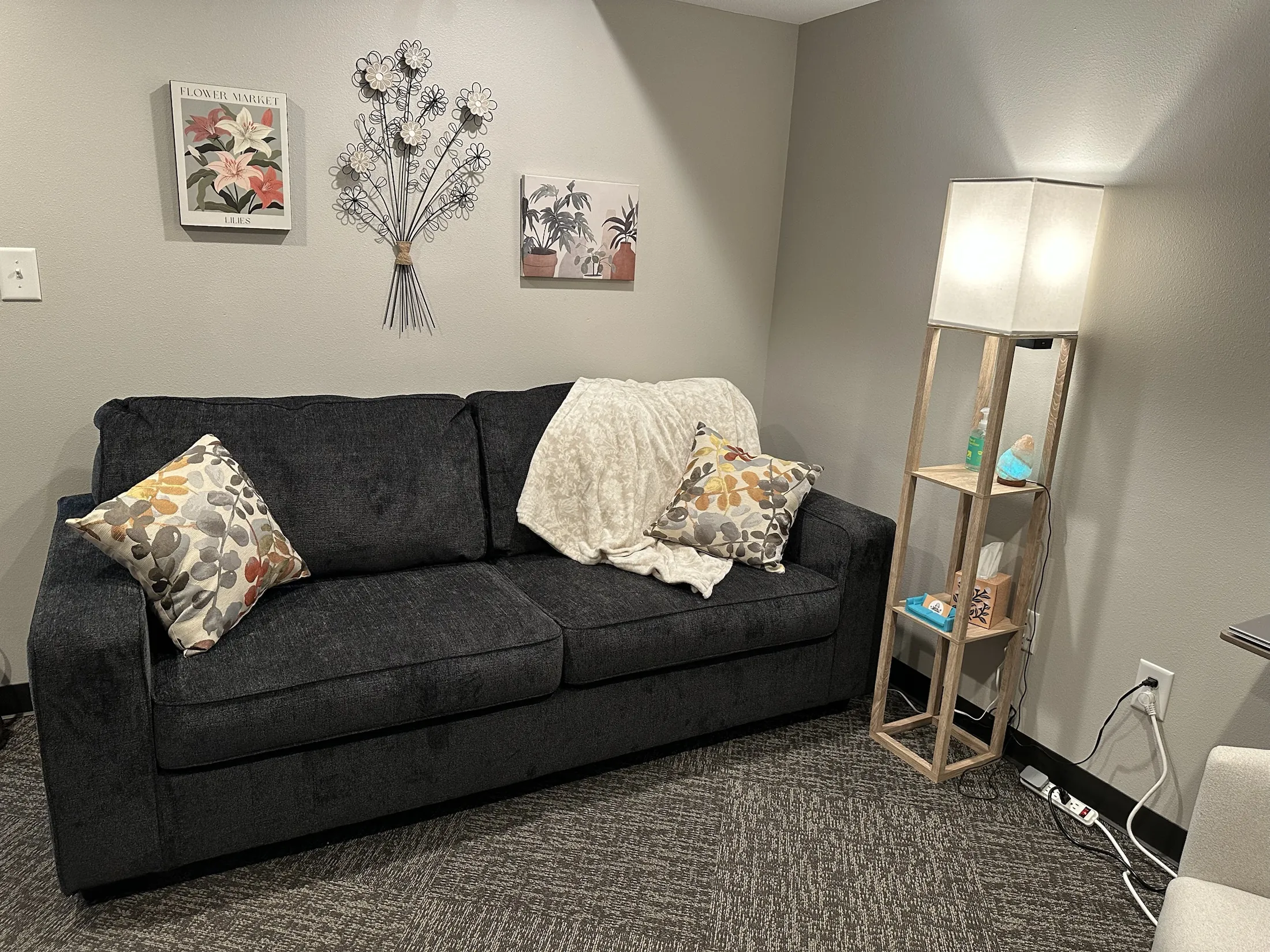
Wellness Works offers burnout therapy in Ankeny for adults who are tired of simply surviving the week. Counseling does not promise a quick fix for every workplace problem. It can help you identify the patterns that are draining you, make room for your own needs, and decide what a healthier next step could look like. You can also explore the practice’s counseling services or request an appointment when you are ready.
Recovery can begin before everything changes
Burnout tells a convincing story: nothing will get better until you can disappear for a month, change jobs, or solve every problem at once. Bigger changes may eventually be right. But recovery can start sooner, with an honest look at what is happening and one action that gives you a little more room to breathe. You are not weak for needing that room. You are responding to a load that has become too heavy to carry exactly as you have been.
Choose one small next step today. Cross one nonessential task off the list. Tell someone you trust that you are depleted. Put a protected pause on tomorrow’s calendar. Make an appointment. A sustainable life is built through many ordinary moments of care, not a single perfect recovery plan.
Frequently asked questions
Can you recover from burnout without quitting your job?
Sometimes, yes. Recovery often starts by reducing the strain where you can, protecting rest, getting clearer about what is truly urgent, and asking for practical support. Whether staying is workable depends on the job, your health, your support system, and how much control you have over the demands. If work conditions are unsafe or seriously harming your health, a bigger change may be needed.
How long does it take to recover from burnout?
There is no reliable deadline. Some people notice relief after a few protected changes, while a longer period of stress can take more time to untangle. Recovery is not a race. It is more useful to watch whether sleep, mood, concentration, patience, and the ability to enjoy ordinary parts of life are gradually returning.
What is the difference between stress and burnout?
Stress can feel intense while you still believe relief is possible after a deadline or demanding season. Burnout often brings a deeper sense of depletion, detachment, dread, or hopelessness. The two can overlap. A health professional can help sort out whether anxiety, depression, trauma, sleep problems, a medical issue, or another concern is part of what you are experiencing.
When should I talk with someone about burnout?
It is worth reaching out when exhaustion, irritability, numbness, sleep problems, anxiety, low mood, or trouble concentrating are lasting or affecting work, relationships, or daily life. Seek urgent help if you are thinking about harming yourself, feel unable to stay safe, or are in crisis. In the United States, call or text 988, call 911, or go to the nearest emergency room.
Related articles

Why Is Anxiety Worse at Night? What Can Help
When the day gets quiet, anxious thoughts can get louder. Learn why nighttime anxiety can feel so intense and how to make the next evening more manageable.
How to Manage Daily Overwhelm
Learn how to manage daily overwhelm with calm, practical strategies that reduce stress, improve focus, and help you move through each day.
10 Emotional Regulation Techniques Adults Can Use
Use these emotional regulation techniques to pause, lower the intensity of strong feelings, and choose a steadier next step.