The past keeps showing up in the present.
A difficult experience may be over, yet certain situations, memories, body sensations, or relationships can still make you feel on edge, shut down, or pulled back into an old survival response.
Trauma-Informed Care
A steady place to understand how difficult experiences may still be affecting your life, and to find a path forward that does not ask you to rush.
When Support Can Help
Trauma can come from one event, a series of experiences, or a long period of living under stress or uncertainty. Its effects are real even when it is hard to explain exactly why something still feels so heavy.
A difficult experience may be over, yet certain situations, memories, body sensations, or relationships can still make you feel on edge, shut down, or pulled back into an old survival response.
Sleep trouble, irritability, panic, numbness, avoidance, trouble concentrating, or a constant need to stay alert can make everyday life feel much smaller than it should.
You do not need to share every detail of your story on day one. Counseling can begin with what is affecting you now and move at a pace that respects your safety and readiness.
A Grounded Starting Point
Trauma-informed counseling does not assume that every person needs the same process. Some people want a practical way to manage anxiety, sleep, or strong reactions. Others need room to make sense of patterns that have been affecting relationships, work, parenting, or their sense of self for a long time.
Dar begins by listening to what has been hardest lately, what helps you feel more steady, and what you hope will be different. Sessions can make room for coping skills, emotional regulation, boundaries, relationships, grief, and difficult memories without treating any one of those as a requirement.
You set the pace. The goal is not to force you to revisit more than feels safe. It is to help you build more choice and support around the experiences that have been taking up too much room in your life.
What Trauma Can Look Like
Some people notice fear or panic. Others feel numb, disconnected, quick to anger, constantly responsible for everyone else, or unable to settle even when life is relatively calm. You may find yourself replaying conversations, expecting something to go wrong, avoiding situations that once felt ordinary, or feeling confused by reactions that seem to come out of nowhere.
Trauma can also affect relationships. It may be hard to trust, ask for help, be vulnerable, handle conflict, or feel present with people you care about. These patterns are not proof that something is wrong with you. They can be understandable ways of getting through experiences that felt unsafe, unpredictable, or overwhelming.
Counseling offers a place to get curious about those patterns without judgment. You and Dar can look at what tends to set them off, what helps you recover, and what kind of support could make daily life feel more manageable. That work can be practical and present-focused while still making room for the parts of your story that need attention.
A first appointment does not need to answer every question. It can be a chance to talk about what has changed, what you are carrying, and what you want more of in daily life, such as rest, connection, focus, confidence, or a little more room to breathe. You can also ask how counseling works, what privacy looks like, and whether the pace feels right before deciding what comes next.
Progress can look different for different people. It may mean noticing a trigger sooner, recovering from a difficult moment with more support, sleeping more consistently, speaking up in a relationship, or feeling less controlled by an old memory. Small changes can matter because they create more room to make choices based on the present instead of only on what you had to do to get through the past.
You do not have to decide that your experience was “bad enough” before you seek support. What matters is whether something from the past is making the present harder to live in. If you are tired of bracing, avoiding, overexplaining, shutting down, or trying to hold everything together alone, it is reasonable to ask for a conversation about care.
A Thoughtful Pace
For some clients, the early work is about feeling safer in the present: noticing triggers, settling the body after stress, improving sleep, or finding words for feelings that have been hard to name. For others, it means looking more closely at the experiences and beliefs that still shape how they respond.
Dar has specialized training in CBT and EMDR. Those approaches may be useful parts of trauma-focused counseling when they match your needs. EMDR is not a requirement, and trauma therapy is not limited to a single method. Your care can be shaped around your goals, comfort, relationships, and what feels manageable in this season of life.
It is also okay if you are not sure what to call what happened. You can begin with the present-day effects: feeling jumpy, disconnected, exhausted, angry, stuck, or unable to relax. A first appointment is a place to ask questions and decide whether this kind of support feels right.
In Ankeny
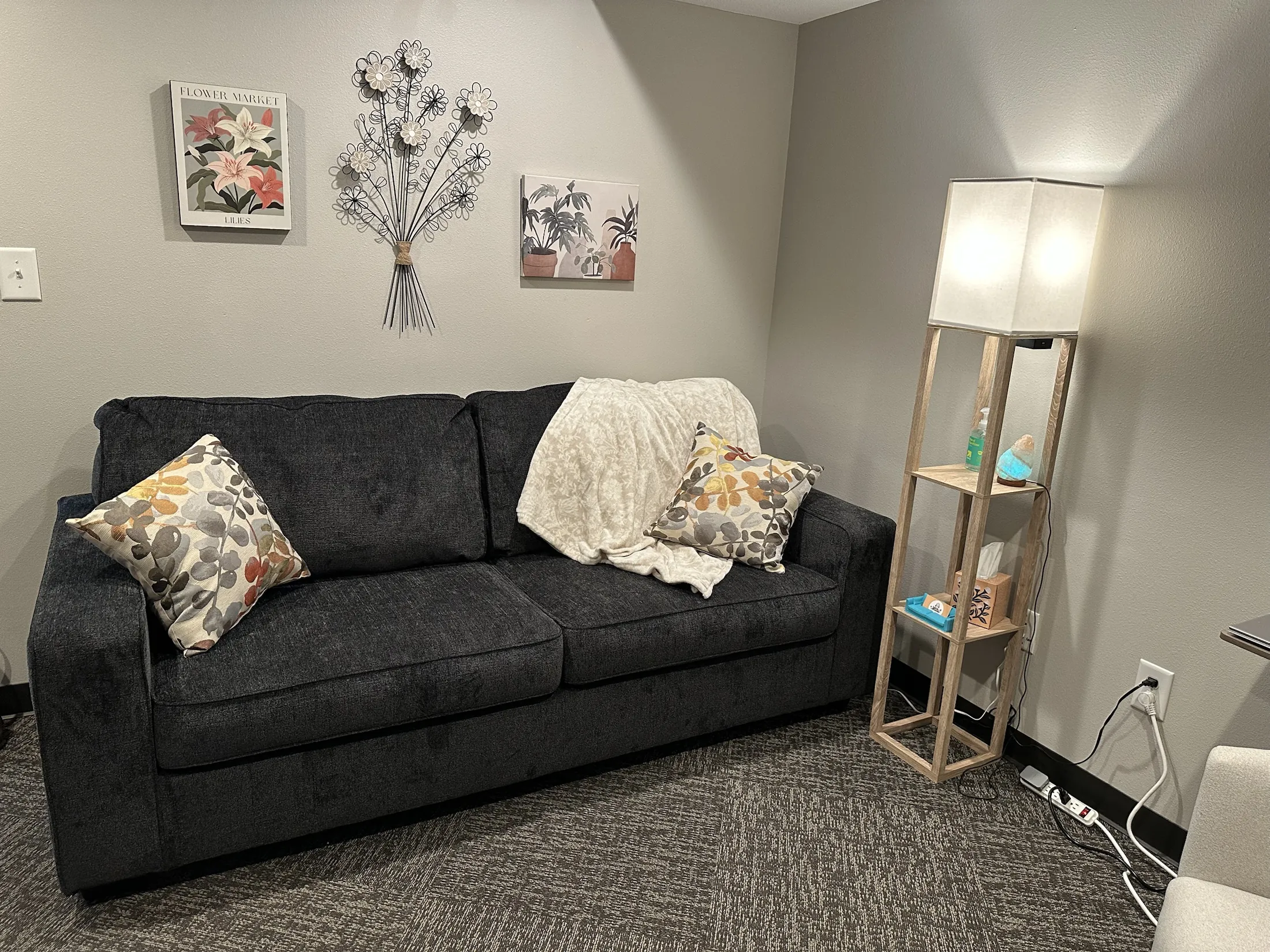
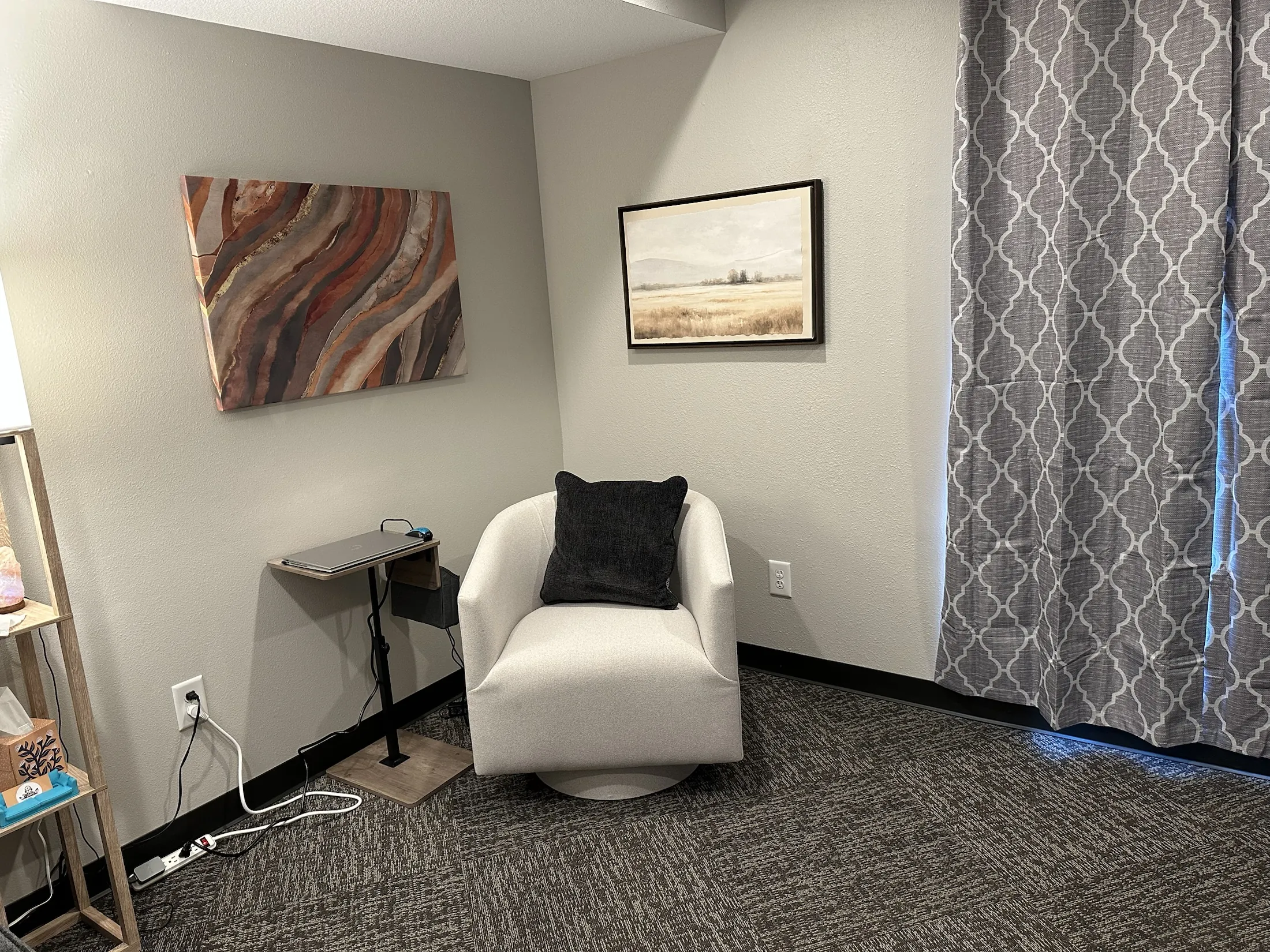
In-person appointments are available from the Wellness Works office in Ankeny. You can share as much or as little as feels comfortable when you request an appointment. The practice can help you understand the next step and whether trauma-informed counseling may be a fit.
Online therapy may also be available for Iowa clients when it makes sense for the person, the concern, and current appointment availability. The focus is on finding a format that supports consistent, useful care.
702 SW 4th Street, Suite 103
Ankeny, IA 50023
Your needs, readiness, and sense of safety guide the pace and focus of counseling.
Questions
Trauma therapy is counseling that considers how difficult, frightening, or overwhelming experiences may still be affecting the present. It can include building coping skills, understanding patterns, strengthening a sense of safety, and, when appropriate, working with memories or triggers at a manageable pace.
No. You can ask about support because you are having a hard time with worry, sleep, numbness, anger, relationship stress, upsetting memories, or reactions that feel bigger than the moment. The first conversation is about what is happening and whether counseling may be a fit.
No. You remain in control of what you share and when. Counseling can start with the parts of daily life that feel hardest now, then build steadiness and trust before moving into anything deeper.
Trauma therapy is the broader counseling approach. EMDR is one structured approach that may be considered for some people who are working through distressing experiences. Dar can help you think through whether EMDR-informed care or another trauma-focused approach fits your goals, current needs, and readiness.
In-person counseling is available in Ankeny. Online therapy may also be available for Iowa clients when it is a good clinical fit and appointments are available.
Counseling appointments are not emergency care. Call or text 988 for immediate mental health crisis support. If there is immediate danger, call 911 or go to the nearest emergency room.
Request Support
Share what has been affecting daily life and how the practice can reach you. For urgent mental health needs, call or text 988 instead of waiting for a reply.
Start Here
Request an appointment online, call the practice, or send a message. For a mental health crisis, call or text 988.
Request Appointment
Phone(515) 446-8490
Emailwellnessworks47@gmail.com
702 SW 4th Street, Suite 103
Ankeny, IA 50023