
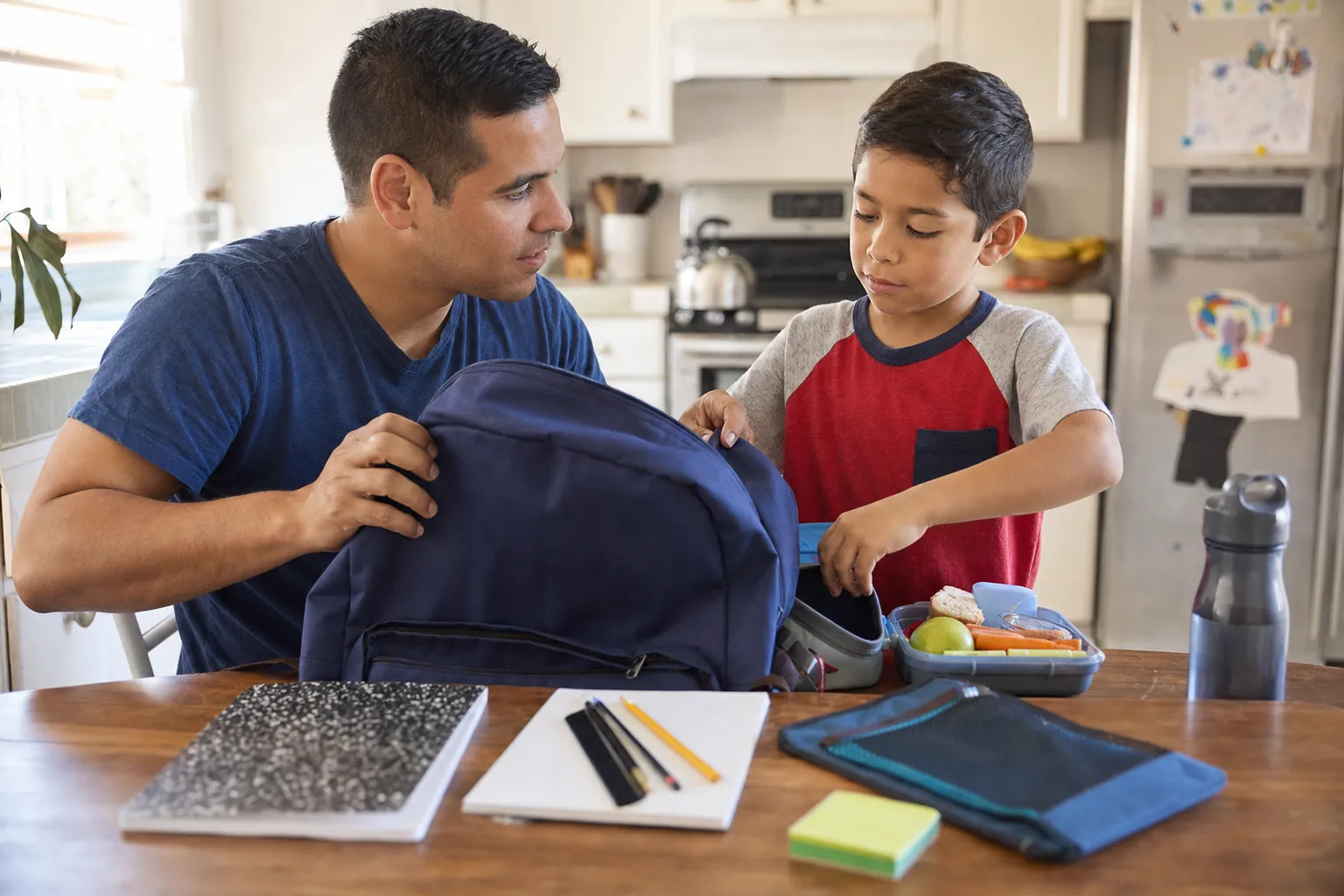
School can bring a lot of change at once: a new classroom, unfamiliar expectations, bus rides, harder work, louder hallways, friendships that feel uncertain, or time away from home. Some children walk in excited. Others worry quietly. Some become tearful, angry, clingy, or suddenly complain that their stomach hurts every morning. When that happens, parents are often left trying to decide whether to push, soothe, call the school, or keep their child home.
Helping a child with school anxiety is not about finding a perfect script or convincing them there is nothing to fear. It is about understanding what feels hard, making the next step more manageable, and helping them build confidence through supported practice. This guide offers practical ways to do that while also explaining when it is time to bring in the school, a pediatrician, or a counselor.
Start by getting specific about what feels hard
“I do not want to go to school” can mean many different things. Your child may be worried about separating from you, finding the classroom, making a mistake, being called on, using the bathroom, riding the bus, changing for gym, finishing work, dealing with conflict, or being around someone who has made them feel unsafe. The first useful step is to slow down enough to learn what school anxiety means for this particular child.
Ask at a calm time rather than in the middle of a rushed morning. You might try, “What part of school feels the biggest?” or “When do you start worrying about tomorrow?” If they cannot explain, offer a few simple possibilities without turning it into a long interview. Younger children may show you through play, drawings, or physical complaints more easily than they can explain in words. Older children may need time before they share the real concern.
Listen for patterns. Is the worry strongest on Sunday evening? Only before math? After recess? During a school transition? Does it follow a change at home, a friendship issue, a move, illness, or time away from school? The National Institute of Mental Health advises seeking professional support when emotional or behavioral signs last for weeks or months and interfere with home, school, or friendships. That does not mean every worried child needs a diagnosis. It means the impact on daily life matters.
Notice the difference between nerves and a pattern that needs support
It is normal for a child to feel nervous before a new school year, a big test, a presentation, or a change in routine. Some children need extra reassurance at drop-off and then settle into the day. A hard morning can be part of growing, especially when a child is learning something new or adjusting to change.
Look more closely when the worry is persistent or growing. Signs can include frequent stomachaches or headaches before school, trouble sleeping, repeated reassurance-seeking, tears or anger that make it hard to leave home, avoiding activities they used to enjoy, missed days, falling grades, or withdrawing from friends. Children may also appear unusually irritable or exhausted. The American Academy of Pediatrics notes that school avoidance can show up as regular resistance to attending school, sometimes paired with vague physical symptoms. Its guidance for concerned parents is a useful reminder to take the pattern seriously without shaming a child for it.
Also keep an open mind. Anxiety is not the only reason a child may avoid school. Bullying, learning differences, attention challenges, health concerns, grief, family stress, or a problem with a particular adult or peer can all matter. If your child says they feel unsafe or mentions bullying, respond promptly and involve the school. You do not have to figure out the whole cause alone before asking for help.
Make the morning smaller and more predictable
An anxious child often experiences the whole school day at once. The bus, the classroom, lunch, work, recess, and pickup can become one large, overwhelming thought. A predictable routine gives them fewer decisions to make when their nervous system is already activated. It does not erase the worry, but it can lower the pressure around it.
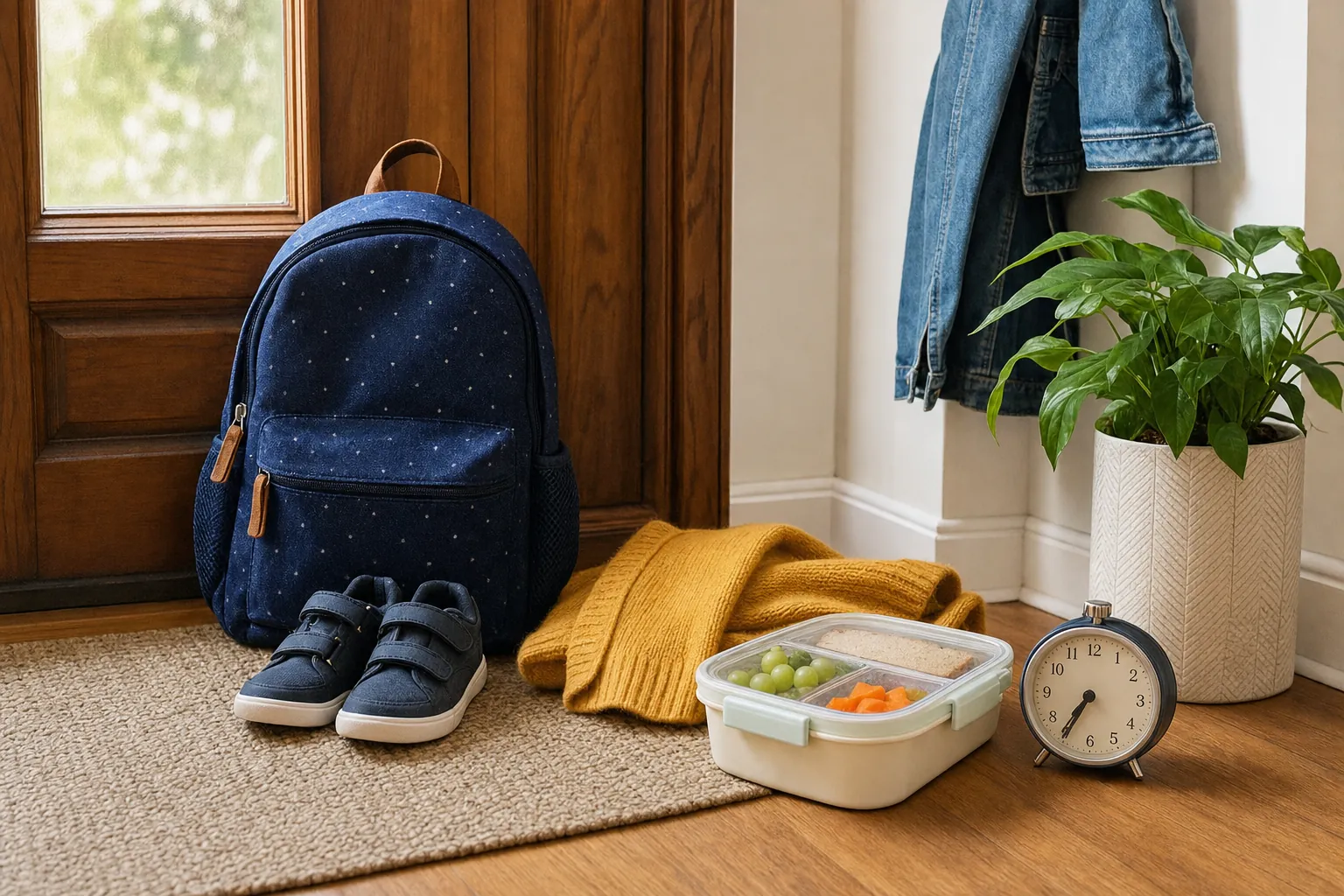
Prepare as much as you can the night before: choose clothes, pack the backpack, find shoes, make lunch, and review the plan for getting to school. In the morning, keep your language short and steady. Instead of repeatedly asking whether they are ready or explaining why school matters, move through one familiar step at a time: breakfast, clothes, backpack, car, goodbye. For younger children, a simple picture routine can make the sequence easier to follow.
Build in a few minutes of connection that do not turn into a long negotiation. Sit together while they eat, read a short book, share a small joke, or take one slow breath before leaving. Then keep the departure plan consistent. A warm, brief goodbye can communicate more confidence than a long, emotional one. The goal is not to rush a child through real distress. It is to show them that the routine can hold the feeling and still keep moving.
Validate the fear, then help your child take one next step
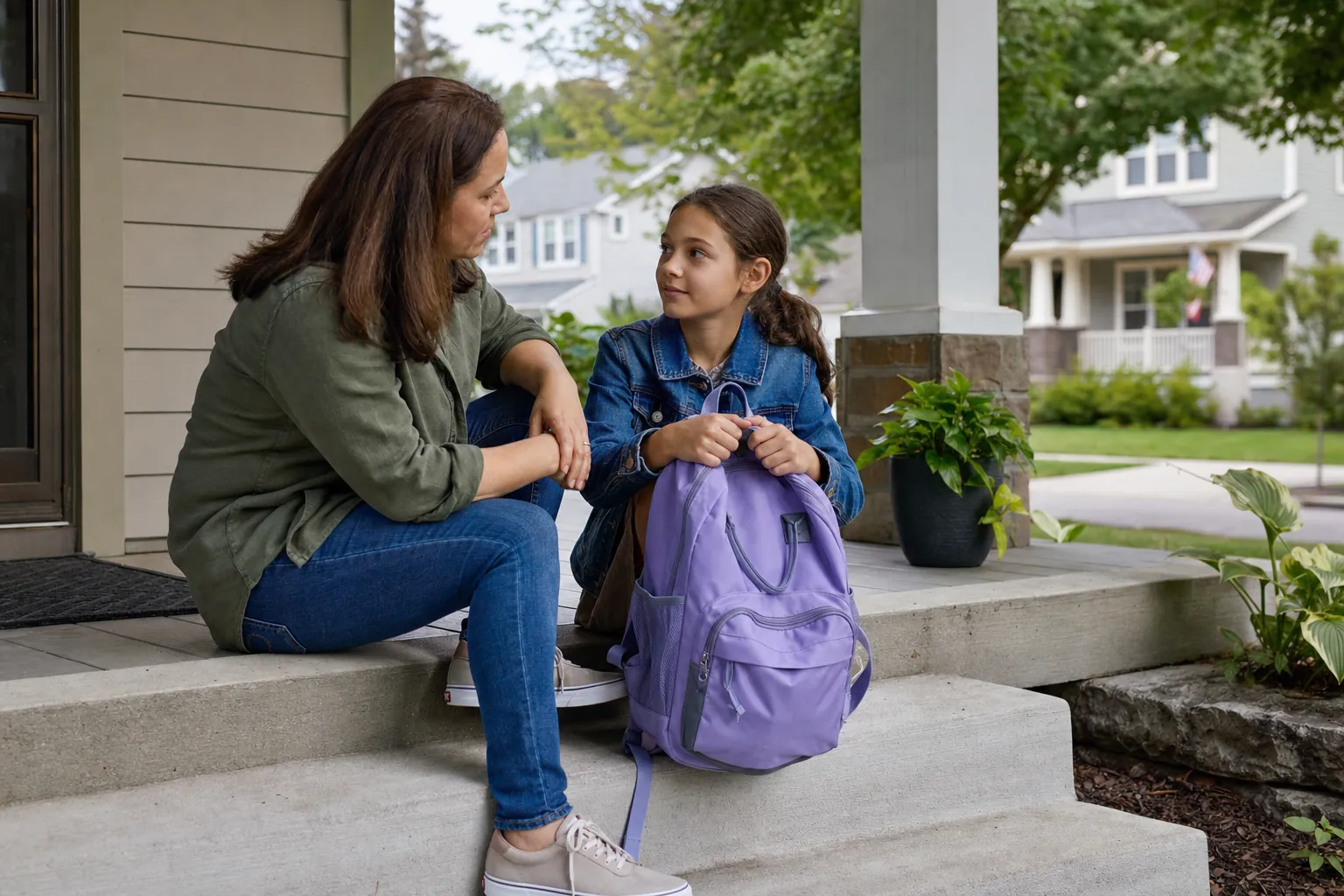
It is tempting to say, “You will be fine,” especially when you know your child has handled school before. But a child who is anxious may hear that as, “You should not feel this way.” A more useful response names the emotion and keeps the plan in view: “You are worried about going in today. I believe you can get through the first part. Your teacher will meet you at the door, and I will see you after school.”
This is different from agreeing that school is too scary or promising that nothing difficult will happen. You are showing your child that fear can be real without becoming the boss of the morning. The Child Mind Institute recommends acknowledging a child's anxiety while expressing confidence that they can face it and become less afraid over time. That balance helps children feel understood without teaching them that the only solution is escape.
Help your child choose a concrete coping step they can actually use. It might be taking three slow breaths in the car, carrying a note in a backpack pocket, asking the teacher for a classroom job, sitting near a familiar peer, or using a quiet phrase such as, “I can do the first five minutes.” Keep the plan small enough to feel possible. A child does not need to feel completely calm before they enter school. They need support to make it through the next part of the day.
Work with the school early, before absences become the pattern
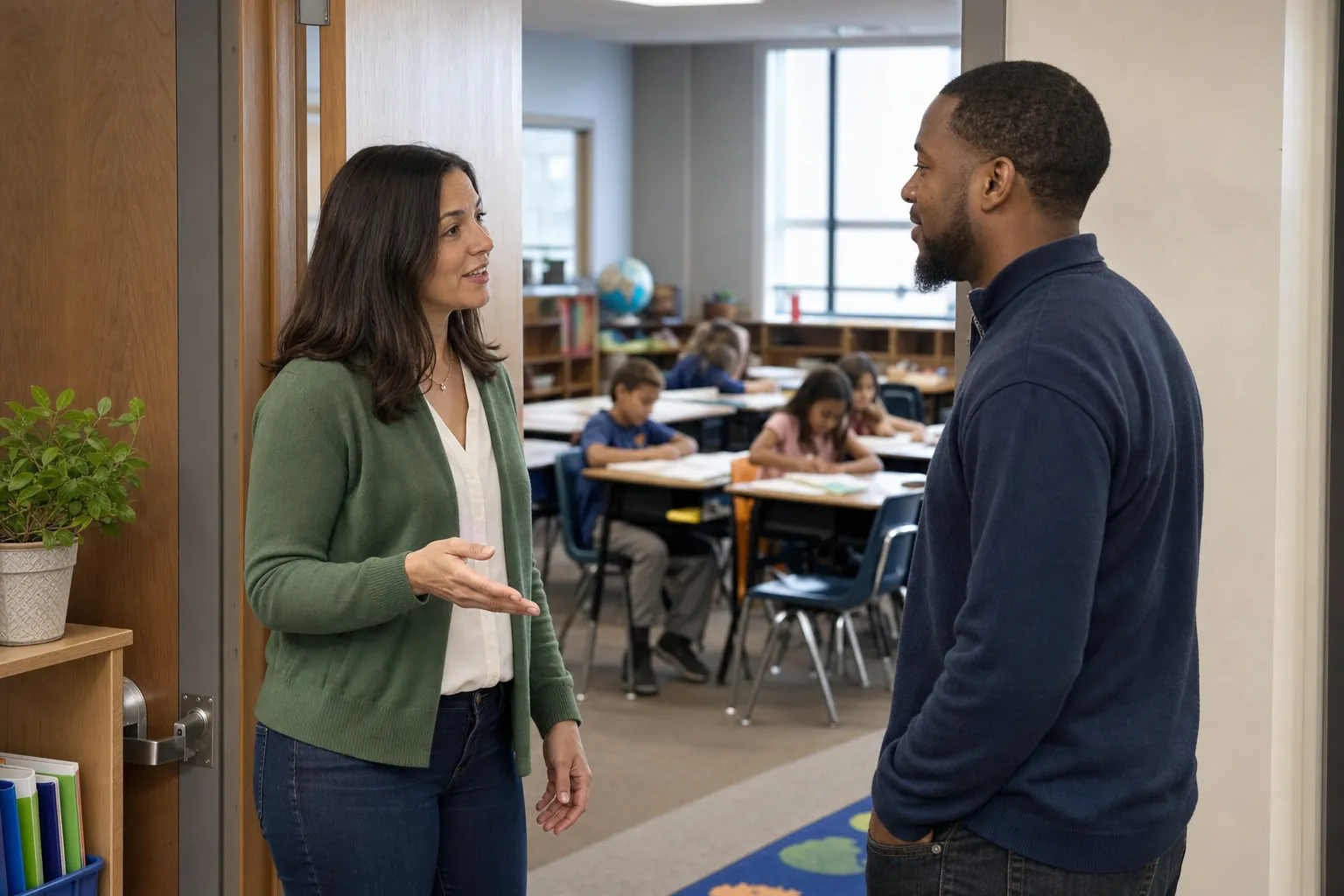
Teachers, counselors, and school staff can often tell you what happens after drop-off, when worry shows up, and what helps your child settle. Reach out with a brief, practical message. Share what you are seeing at home, ask what they see at school, and focus on one or two supports that can be used consistently. You might ask whether a teacher can greet your child at the door, whether they can start with a familiar task, or whether there is a calm place to check in briefly before class.
A good plan is simple enough for everyone to follow. It should clarify the morning handoff, who your child can go to if they feel overwhelmed, and how the adults will communicate. The plan should not become a complicated rescue system that pulls your child out of class every time they feel nervous. Instead, it should help them rejoin the day with support. If absences are increasing, ask the school what attendance supports or counseling resources are available.
For some children, a gradual return plan may be appropriate. That decision should be made with the school and a qualified health professional when possible, especially if anxiety is intense. The best pace is neither forcing a child through an unsafe situation nor waiting so long that school becomes harder to return to. It is a supported plan that helps them practice participation step by step.
Practice the hard parts outside the pressure of the school day
When the feared moment is far away, children have more room to practice. Drive by the school after hours. Walk from the door to the classroom if the school allows it. Rehearse what they can say if they feel worried. Role-play asking a teacher for help, joining a group at recess, or using a coping skill before a test. These rehearsals make an unfamiliar moment feel more knowable.
Use gradual practice for separations too. If your child is especially worried about leaving you, small experiences with a trusted caregiver, activity leader, or family member can help build confidence. The aim is not to make them stop missing you. It is to help them learn, through repetition, that they can feel worried, use support, and reconnect with you later. The guide on helping a child with separation anxiety offers more ideas for making those transitions steadier.
Praise the effort and the specific skill, not just the outcome. “You walked to the door even though you were nervous,” is more useful than “See, there was nothing to worry about.” It helps a child notice their own capacity. Over time, those small experiences can change the story from “I cannot handle school” to “This is hard, and I know what to do next.”
When counseling can help your child and family
Counseling can be a practical next step when school anxiety is interfering with attendance, sleep, friendships, family life, or a child's ability to enjoy everyday activities. In child-centered counseling, a therapist may use conversation, play-based or creative activities, coping practice, and parent involvement to understand what is driving the worry. The work should fit the child's age and help the adults around them respond consistently.
At Wellness Works, child and teen counseling can include practical tools for anxiety, emotional regulation, school stress, and family communication. Dar uses developmentally appropriate strategies, including play-based and creative approaches when they fit the child. You can read more about child anxiety therapy in Ankeny, explore the practice's counseling services, or see how play therapy can support children.
A pediatrician is also an important part of the picture, particularly when a child has frequent physical symptoms, a sudden change in behavior, questions about medication, or concerns that could have a medical cause. If your child is talking about hurting themselves, cannot stay safe, or is in immediate danger, call or text 988, call 911, or go to the nearest emergency room.
A calmer school morning is built over time
School anxiety rarely disappears because of one conversation or one good morning. Progress is more often a series of ordinary repetitions: a child names the hard part, a parent stays calm, a teacher offers a predictable welcome, and the child gets through the next step. There may still be tears. There may still be setbacks after a long weekend, illness, or change in routine. That does not mean the plan is failing.
The most helpful message is simple: “I see that this is hard. We have a plan. You have people who will help you. And we will keep practicing.” When a child's worry is beginning to shape the whole family's day, you do not have to carry it alone. Request an appointment to ask whether counseling at Wellness Works may be a good fit for your child and family.
Frequently asked questions
What does school anxiety look like in a child?
School anxiety can look like tears, irritability, clinginess, frequent stomachaches or headaches, trouble sleeping, repeated questions, difficulty getting out the door, or avoiding certain parts of the school day. A single hard morning does not tell the whole story. Look for a pattern over time and for the ways worry is affecting attendance, learning, friendships, sleep, or family life.
Should I let my child stay home when they are anxious about school?
The right response depends on what is happening. A child who is sick, unsafe, being bullied, or in crisis needs prompt attention and appropriate support. When anxiety is the main issue, repeated days at home can make returning feel harder. Speak with the school, your child's pediatrician, or a mental health professional early so you can make a plan that protects your child while supporting a steady return to routine.
What should I say when my child says they are scared to go to school?
Start with calm curiosity: "I can see this feels big. What is the hardest part about school today?" Listen before rushing to solve it. Then offer one manageable next step, such as reviewing the morning plan, practicing what they can say to a teacher, or identifying the first person they will see when they arrive. The goal is to take the fear seriously without letting it take over every decision.
When should I seek professional help for school anxiety?
Reach out when anxiety is persistent, getting stronger, or regularly interfering with school attendance, sleep, eating, friendships, activities, or family routines. Contact a pediatrician promptly for frequent physical symptoms or a sudden change in behavior. Counseling can also help a child build coping skills and help parents and school staff create a consistent plan.
Related articles

How to Help a Child With Separation Anxiety
Practical ways to help a child with separation anxiety, including calm goodbyes, predictable routines, gradual practice, and when to seek extra support.
Benefits of Play Therapy
Healing Through Play: Understanding Play Therapy At Wellness Works Counseling Services, PLLC, I believe that healing is not one-size-fits-all. For children, play is more than just fun—it is their primary language for expressing thoughts and feelings they might
How Counseling Helps Anxiety Day to Day
Learn how counseling helps anxiety by building coping skills, calming thought patterns, and creating steady support for daily life and stress.