
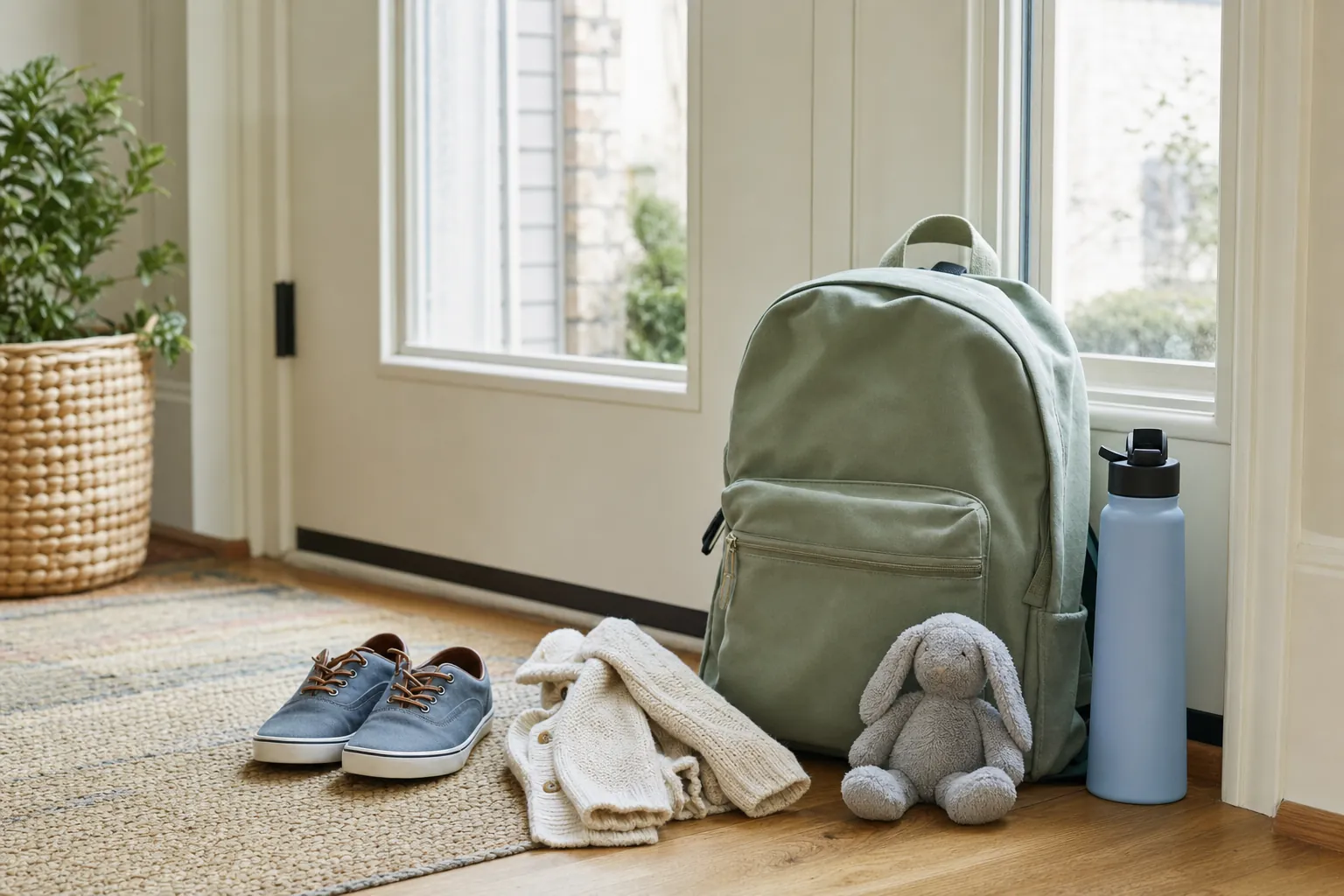
When a child is anxious, the whole family can feel pulled into the worry. Mornings take longer. A small change in plans becomes a big problem. Your child may ask the same question again and again, cling at goodbye, complain of a stomachache, get angry, or suddenly avoid something they used to enjoy. You may want to make the feeling disappear as quickly as possible. That is a loving instinct. It can also leave you wondering what actually helps.
Helping a child with anxiety is not about finding the perfect reassurance or forcing them to “be brave.” It is about learning what the worry is asking for, making the next step feel possible, and showing your child that they can have a hard feeling without being alone in it. This guide offers practical ways to do that at home, at school, and during everyday transitions. It is not a way to diagnose a child. If anxiety is affecting daily life, a pediatrician or licensed mental health professional can help you understand the full picture.
Start by getting curious about the worry
“I do not want to go,” “What if something bad happens?” or “My stomach hurts” can mean very different things from one child to another. A child may be worried about separating from you, making a mistake, being called on, a friendship problem, a noisy room, a new activity, a change in routine, or something they have not yet found words for. The first job is not to talk them out of the feeling. It is to understand it well enough to respond to the real problem.
Choose a calm moment, not the peak of a rushed morning or a meltdown. Try simple questions: “When did you start feeling worried?” “What is the hardest part?” or “What do you wish I understood?” Younger children may answer more easily while drawing, playing, or sitting beside you in the car. Older children may need privacy and a little time before they can say what is bothering them. Keep the tone open. You are gathering information, not conducting an interview.
Notice the pattern around the worry too. Does it show up before school, bedtime, sports, homework, sleepovers, or separation? Is it stronger after a weekend, illness, conflict, or big change? The National Institute of Mental Health advises parents to seek help when emotional or behavioral signs last for weeks or months and interfere with home, school, or friendships. The goal is not to label every hard day. It is to pay attention when worry starts taking over too much of your child's life.

Name the feeling without making it bigger
An anxious child needs to know that you take their experience seriously. A response such as, “You are really worried about the new class,” or, “That goodbye feels big today,” can help them feel seen. It is different from agreeing that the situation is dangerous. You can validate the feeling while still holding a steady plan.
Try pairing understanding with confidence: “I believe this feels scary, and I believe you can do the first part.” That might mean walking into practice, staying at school through the first class, or trying a new bedtime routine. The point is not to demand that your child feel calm before moving forward. It is to help them take a supported step while the feeling is still there.
Be careful with reassurance that becomes a loop. Telling a child “nothing bad will happen” may provide a few seconds of relief, but it can also teach them to come back for the same certainty again. Instead, keep your answer warm and brief: “I know you want to be sure. Here is what we know, and here is what we will do if you need help.” The Child Mind Institute recommends acknowledging anxiety while expressing confidence that children can face what worries them. That balance gives your child both connection and room to grow.
Make the next step smaller
Anxiety often makes a child experience the entire feared situation at once. A school day becomes the bus, the classroom, lunch, recess, homework, and tomorrow morning all rolled together. A sleepover becomes the possibility of missing home all night. A doctor's appointment becomes every uncomfortable part before it even starts. You can lower the pressure by helping your child focus on the next manageable piece.
Instead of asking, “Are you ready for school?” try, “Can we put on your shoes?” Instead of, “You have to stay all night,” try, “Let's get to the first activity and check in with the plan.” Break a hard moment into steps that are concrete enough to practice. A child does not need to feel ready for the whole thing. They need a way through the next five minutes.
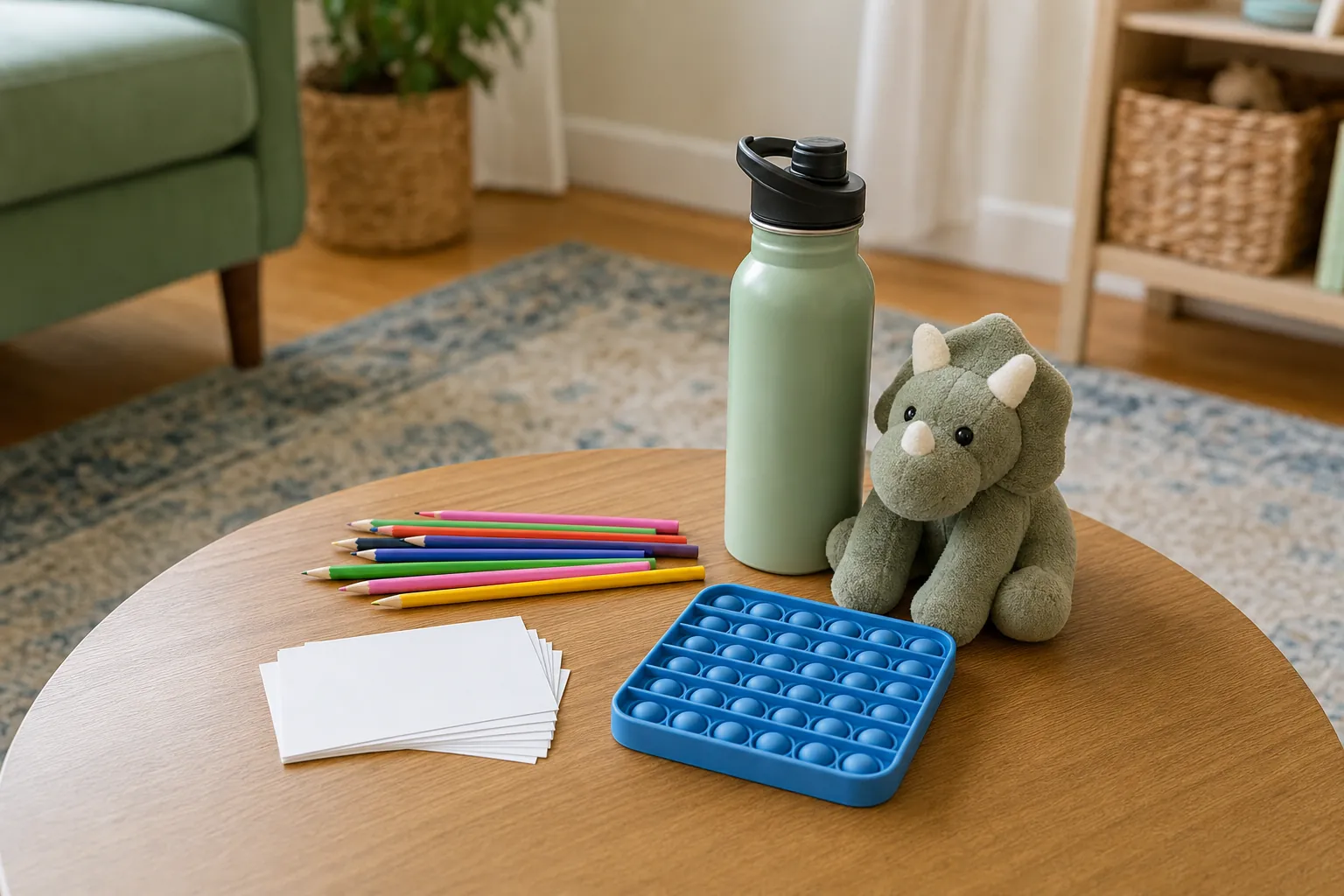
For repeated worries, make a simple plan together. Decide who your child can talk to, where they can take a short reset, and what they can do with their body when anxiety rises. Keep the plan short and realistic. One slow breath, a sip of water, a grounding object in a pocket, a quiet phrase, or asking for a brief check-in can be more useful than a complicated list of coping strategies they will never remember in the moment.
Build routines that make anxiety easier to carry
Routines do not remove every worry, but they reduce the number of decisions a child has to make when they are already stressed. That can be especially helpful around school mornings, bedtime, transitions between homes, appointments, or new activities. Prepare what you can ahead of time: clothes, a backpack, a snack, shoes, a ride plan, and a brief goodbye routine.
Keep your own language predictable too. A child who is anxious may pull you into negotiations, repeated questions, or a long goodbye. You can be kind without changing the plan every time. A steady script might sound like: “I know this is hard. We have our plan. Mrs. Lee will meet you at the door, and I will see you after school.” For a child whose worry centers on school, the guide on helping a child with school anxiety offers more detail about working with teachers and making mornings more manageable.
Predictability should not become a rigid rule that prevents a child from coping with normal change. The aim is to create a secure base, then practice flexibility in small doses. If plans change, name it clearly, tell your child what will stay the same, and help them choose one coping step. Over time, children learn that a change can be disappointing or scary without being unmanageable.

Help your child practice, rather than avoid, the hard thing
Avoidance can bring quick relief. A child stays home, skips the activity, sleeps in a parent's bed, or leaves the room, and the worry drops for a while. The problem is that their brain may learn, “I was safe only because I escaped.” Over time, the feared situation can feel even bigger. This does not mean you should push a child through something unsafe or overwhelming. It means the most helpful response to anxiety is often gradual practice with support.
Think in small, repeatable steps. A child worried about a new activity might first visit the building, then meet the leader, then stay for ten minutes, then try more next time. A child who fears separation may practice short goodbyes with a trusted caregiver before taking on a longer one. The guide on helping a child with separation anxiety explains how warm, predictable departures can support that practice.
Praise effort in a specific way: “You walked in even though you were nervous,” or, “You used your breathing plan when your stomach felt tight.” Avoid turning it into proof that the worry was silly. Your child may still feel anxious next time. What matters is that they start to notice their own ability to cope, ask for help, and recover.
Work with the other adults in your child's life
When anxiety affects school, activities, childcare, or family routines, a parent should not have to carry the plan alone. Share a short, practical description of what you are seeing with the adults who know your child. Ask what they notice, what helps your child settle, and whether there is a consistent way to handle the hard transition. A teacher may be able to greet a child at the door. A coach may be able to explain the first drill. A school counselor may be able to create a brief check-in plan.
Keep the goal focused on participation, not perfect comfort. The American Academy of Child and Adolescent Psychiatry notes that anxiety in children can show up through excessive fears, worries, and physical symptoms. Those signs deserve care, but they do not always require adults to remove every demand. A coordinated plan can help a child return to the activity with support instead of making withdrawal the only way to feel better.
Know when to bring in more support
Many children have anxious periods, especially during a new school year, a move, an illness, a family change, or an unfamiliar activity. It is time to ask for more help when worry is persistent, getting stronger, or regularly interfering with sleep, eating, school attendance, friendships, activities, or family life. Reach out promptly if your child talks about hurting themselves, cannot stay safe, seems to be in crisis, or is experiencing bullying or another unsafe situation. For an immediate mental health crisis, call or text 988. If there is immediate danger, call 911 or go to the nearest emergency room.
A pediatrician can help rule out medical concerns and talk through whether a referral makes sense. Counseling can give a child a calm place to practice coping skills and help parents respond consistently at home. At Wellness Works, child anxiety therapy in Ankeny may include developmentally appropriate conversation, play-based or creative strategies, coping practice, and parent involvement when it fits the child and family. You can also explore the practice's child and teen counseling services or learn how play therapy can support children.
The goal is confidence, not a worry-free child
Every child will feel worried sometimes. The goal is not to eliminate normal fear or make your child push through every hard situation alone. The goal is to help them recognize what they feel, use support, and take the next step at a pace that is challenging but manageable.
When you stay curious, calm, and consistent, you give your child a powerful message: “This feeling is real. You are not in trouble for having it. And we can face it together.” If anxiety is beginning to shape your child's daily life, request an appointment to ask whether Wellness Works may be a good fit for your family.
Frequently asked questions
What should I say when my child is anxious?
Start by naming what you notice and inviting them to share: "You seem worried. What feels hardest right now?" Listen before trying to solve the problem. Then offer one small next step, such as getting a drink of water, practicing what they can say, or reviewing the plan for the next part of the day. Calm confidence is usually more helpful than a long list of reassurance.
Should I avoid everything that makes my child anxious?
Not always. If something is unsafe, overwhelming, or connected to bullying, illness, trauma, or another serious concern, respond quickly and get appropriate help. When anxiety is the main issue, avoiding every feared situation can make the fear grow over time. A pediatrician, school professional, or licensed counselor can help you decide on a gradual, supported plan when the situation is more than a child can manage alone.
How do I know whether my child's anxiety is serious?
Look at the pattern and the impact. It is worth asking for support when anxiety is persistent, getting stronger, or regularly affecting sleep, eating, school attendance, friendships, activities, or family life. You do not need to wait for a crisis to talk with a pediatrician or counselor.
Can counseling help a child with anxiety?
Counseling can help children understand their worry, practice age-appropriate coping skills, and build confidence in manageable steps. Child-centered counseling may use conversation, play-based or creative activities, parent involvement, and coordination with other supportive adults when appropriate. The goal is not to make a child never feel anxious. It is to help them feel safer and more capable when anxiety shows up.
Related articles
How to Help a Child With School Anxiety
Practical ways to help a child with school anxiety, from calmer morning routines and honest conversations to a shared plan with the school.
How to Help a Child With Separation Anxiety
Practical ways to help a child with separation anxiety, including calm goodbyes, predictable routines, gradual practice, and when to seek extra support.