

A child can make it through a busy day, laugh with friends, and still feel a wave of worry as soon as the lights go down. At night, there is less to distract them. A small concern about school can turn into a long list of “what if” questions. A child may need repeated reassurance, have trouble staying in bed, complain of a stomachache, fear being alone, or become upset by a routine that usually feels easy.
Child anxiety at night can be exhausting for the whole family. Parents want to comfort their child, but may not know when a little extra connection is helpful and when the bedtime conversation is feeding the worry. This guide can help you respond with warmth and a clear plan. It is not a diagnosis, and it does not mean every difficult bedtime is anxiety. The pattern, how long it lasts, and how much it affects your child's daily life matter most.
Why worries can feel bigger at night
Many children hold themselves together during the day. School, activities, siblings, screens, and ordinary routines give their minds a lot to do. When the house quiets down, there is more room for the worries they did not have time or words to share earlier. A child may suddenly remember a hard moment at school, worry about tomorrow, replay a scary story, or feel nervous about being separated from a parent for the night.
Tiredness can make coping harder too. A child who could handle a change in plans at 4:00 may be much more reactive at 8:30. Hunger, illness, family stress, a new school year, a move, a recent loss, or an unfamiliar schedule can all make bedtime feel less predictable. The Centers for Disease Control and Prevention explains that anxiety in children can involve fears and worries that feel intense, persistent, and hard to control. That does not mean every fear needs a label. It means repeated worry deserves calm attention.
Look for what happens before the worry rises. Does it begin on school nights? After a change in routine? When your child is asked to sleep alone? When they are overtired? The guide to child anxiety symptoms can help you notice the wider pattern, including physical complaints, irritability, avoidance, and reassurance-seeking that may show up outside the bedroom too.

Start with connection, then keep the response simple
A worried child does not need to be told that bedtime is no big deal. Start by showing that you are listening: “You seem really worried tonight. What is the hardest part?” Let them answer without rushing to solve every concern. Sometimes a child needs help naming the feeling. “Are you worried about being alone, about tomorrow, or about something you saw or heard?” can make a big feeling easier to talk about.
After you understand the main worry, keep your response short and steady. Try, “I know you wish you could be certain about tomorrow. We have a plan for the morning, and right now it is time to help your body rest.” You are taking the fear seriously without agreeing that the feared outcome is likely or opening a thirty-minute debate. The goal is not to persuade your child out of every thought. It is to help them feel understood and return to a manageable next step.
Repeated reassurance can become a loop. A child asks, “Are you sure you will be here?” You answer, and the relief lasts a moment before the question returns. That does not mean your child is manipulating you. It means the worry is looking for certainty it cannot fully get. Give one warm, predictable answer, then gently return to the routine: “Yes, I will check on you after I finish the kitchen. Your job is to get comfortable and practice your slow breathing.” The resource on helping a child with separation anxiety has more ideas for keeping goodbyes warm and predictable.
Make bedtime predictable, not perfect
A consistent bedtime routine does not erase anxiety, but it gives a child fewer decisions to manage when they are tired. Keep the sequence simple and repeatable: wash up, pajamas, water, a short story or quiet activity, a brief check-in, lights out. The details can change for your family. What matters is that your child knows what comes next and that the routine is realistic enough to use most nights.
Choose one or two calming supports rather than building a long list of requirements. A night light, a favorite book, a comfort item, a glass of water, soft music, or a short breathing practice may help. Be careful not to create a routine so elaborate that your child feels unable to sleep without every piece in place. The aim is a secure base, not a perfect set of conditions.
If your child wants to talk through worries, consider giving them a short “worry time” before the final bedtime steps. They can draw, make a few notes with you, or name one thing they are worried about and one person who can help tomorrow. Then close it clearly: “We have listened to the worry. It can wait until morning.” This can be especially helpful when school stress is part of the picture. The guide on helping a child with school anxiety offers practical ways to make difficult school mornings less overwhelming.
Keep an eye on the daytime routine that leads into bed, too. A rushed evening can make a child's body feel as though it has to keep going even after they are under the covers. When possible, build in a little transition time between homework, activities, screens, and sleep. A snack, a shower, laying out clothes for tomorrow, or ten quiet minutes together can help signal that the day is changing gears. You do not need a picture-perfect evening. You are looking for one or two repeatable cues that help your child know what to expect next.
Try to keep the response consistent between caregivers. One parent may be more likely to sit for a long time, while another may want to leave quickly, especially after a difficult night. Neither reaction comes from a bad place. Children usually do better, though, when the adults agree on a simple plan: what they will say, how long they will stay, when they will check back, and what will happen if the child gets out of bed. A calm shared plan keeps bedtime from becoming a new negotiation every night.

Give your child a small coping plan for the moment
When worry is high, a child usually cannot use a complicated lecture about thoughts. Offer one small skill they can practice with you. They might place a hand on their stomach and take three slow breaths, squeeze and relax their hands, name five things that feel comfortable in the room, hold a smooth object, or picture a familiar place. The right tool is the one your child can remember when they are tired.
Practice the skill at a calm time first. A child is more likely to use a breathing exercise at night if they have tried it during a relaxed afternoon. You can make it matter-of-fact: “This is one way to help your body slow down when your mind is busy.” Avoid treating the skill as a test they can fail. If it does not help right away, stay calm and return to the next familiar part of the routine.
It can also help to give your child a limited, predictable check-in plan. For example, tell them you will come back in five minutes, then again after you finish one task. Follow through when you say you will. Over time, keep the check-ins brief and gradually space them out when your child is ready. The broader guide on how to help kids with anxiety can help you think through manageable steps, coping plans, and ways to respond without making avoidance the only path to relief.

Know when a bedtime problem needs a closer look
A hard bedtime after a scary movie, a late night, an illness, or a big change is common. The concern is a pattern that is persistent, getting bigger, or affecting the rest of your child's life. Pay attention when sleep loss is making mornings harder, school attendance is slipping, your child is avoiding activities, physical complaints are frequent, or the whole family is spending hours managing nighttime fear.
Do not assume every nighttime symptom is anxiety. Snoring, breathing changes, pain, reflux, medication effects, nightmares, fever, or other health concerns deserve a conversation with your child's pediatrician. A pediatrician can help you sort through physical symptoms and decide whether another kind of support would be useful. The National Institute of Mental Health recommends asking for help when emotional or behavioral symptoms last for weeks or months and interfere with home, school, or friendships.
Seek help promptly if your child talks about hurting themselves, cannot stay safe, seems to be in crisis, or has experienced something traumatic. Call or text 988 for immediate mental health crisis support. If there is immediate danger, call 911 or go to the nearest emergency room. For anxiety that is not an emergency but is regularly taking over sleep or daily routines, the American Academy of Child and Adolescent Psychiatry has guidance on the ways anxiety can show up in children.
It can help to write down a few brief observations before you call for support: when the worry starts, what your child says or does, what they feel in their body, how much sleep they are getting, and what seems to help even a little. This is not about monitoring every bedtime. It gives you a clearer picture of the pattern and makes it easier to explain what you are seeing to a pediatrician, school professional, or counselor. It can also show you where your child is already coping more than you realized.
How counseling can support nighttime anxiety
Counseling can help when nighttime worry has become part of a bigger anxiety pattern. A child may need a calm space to name what feels scary, practice coping skills in an age-appropriate way, and build confidence through manageable steps. Parents can also get support in responding consistently, especially when everyone is tired and unsure what to do next.
At Wellness Works, child anxiety therapy in Ankeny can include developmentally appropriate conversation, play-based or creative strategies, coping practice, and parent involvement when it fits the child and family. You can also review the practice's child and teen counseling options or request an appointment to ask whether support may be a good fit.
A steadier night is built in small steps
You do not have to solve every worry at the edge of the bed. A calm response, a short familiar routine, and one small coping step can teach your child that nighttime feelings are real and manageable. Some nights will still be hard. What helps most is a pattern your child can trust: you will listen, you will stay steady, and you will help them take the next small step.
Frequently asked questions
Why does my child's anxiety get worse at night?
Nighttime is quieter and has fewer distractions, so worries that were easier to push aside during the day can feel bigger. Tiredness, an upcoming school day, separation at bedtime, changes in routine, and physical discomfort can all add to the feeling. Look for the pattern over time rather than assuming one difficult bedtime has a single cause.
What should I say when my child is anxious at bedtime?
Start with a calm, simple response: “I can see this feels big. Tell me the part you are worried about.” Listen briefly, name the feeling, and return to one familiar next step such as a glass of water, a short check-in, or the usual goodnight routine. Long debates or promises that nothing bad will happen can accidentally keep the worry conversation going.
Should I stay with my child until they fall asleep?
The right plan depends on your child's age, needs, and what is making bedtime hard. A short, predictable check-in can feel reassuring without turning sleep into a long negotiation. If your child is regularly unable to settle, is losing sleep, or is becoming more distressed, talk with a pediatrician or licensed mental health professional about what may be contributing.
When should I get help for child anxiety at night?
It is worth asking for support when nighttime worry is persistent, worsening, or affecting sleep, school attendance, daytime mood, family routines, or your child's ability to enjoy everyday life. Seek prompt help if your child talks about self-harm, cannot stay safe, has severe physical symptoms, or seems to be in crisis. Call or text 988 for immediate mental health crisis support, and call 911 or go to an emergency room for immediate danger.
Related articles

Child Anxiety Symptoms: What Parents May Notice
Child anxiety symptoms can show up as worries, physical complaints, irritability, avoidance, or a need for constant reassurance. Here is what parents may notice and when support can help.

How to Help Kids With Anxiety: Steps for Parents
Practical ways to help kids with anxiety, from listening for the real worry to building routines, coping plans, and the right extra support.
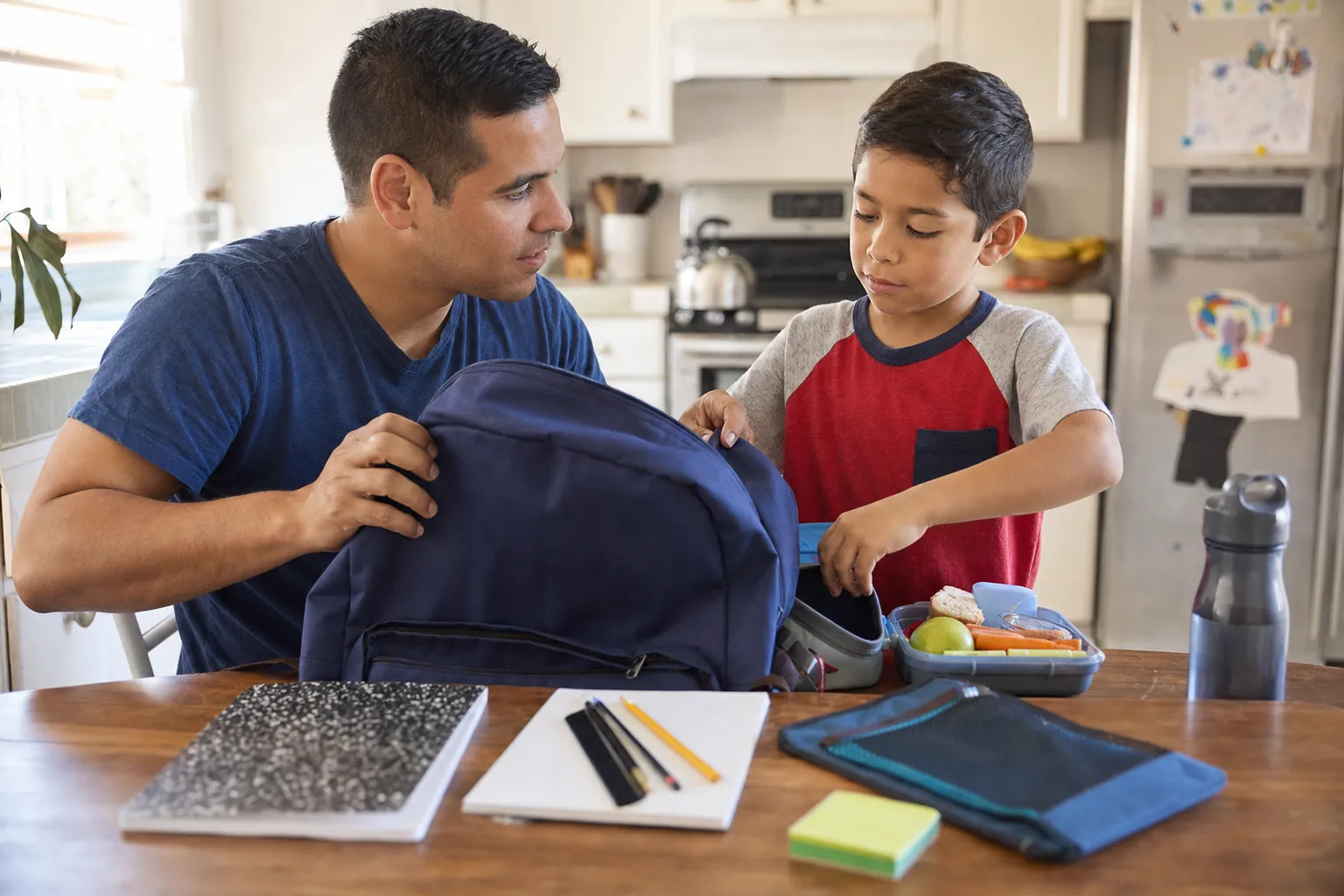
How to Help a Child With School Anxiety
Practical ways to help a child with school anxiety, from calmer morning routines and honest conversations to a shared plan with the school.

How to Help a Child With Separation Anxiety
Practical ways to help a child with separation anxiety, including calm goodbyes, predictable routines, gradual practice, and when to seek extra support.